

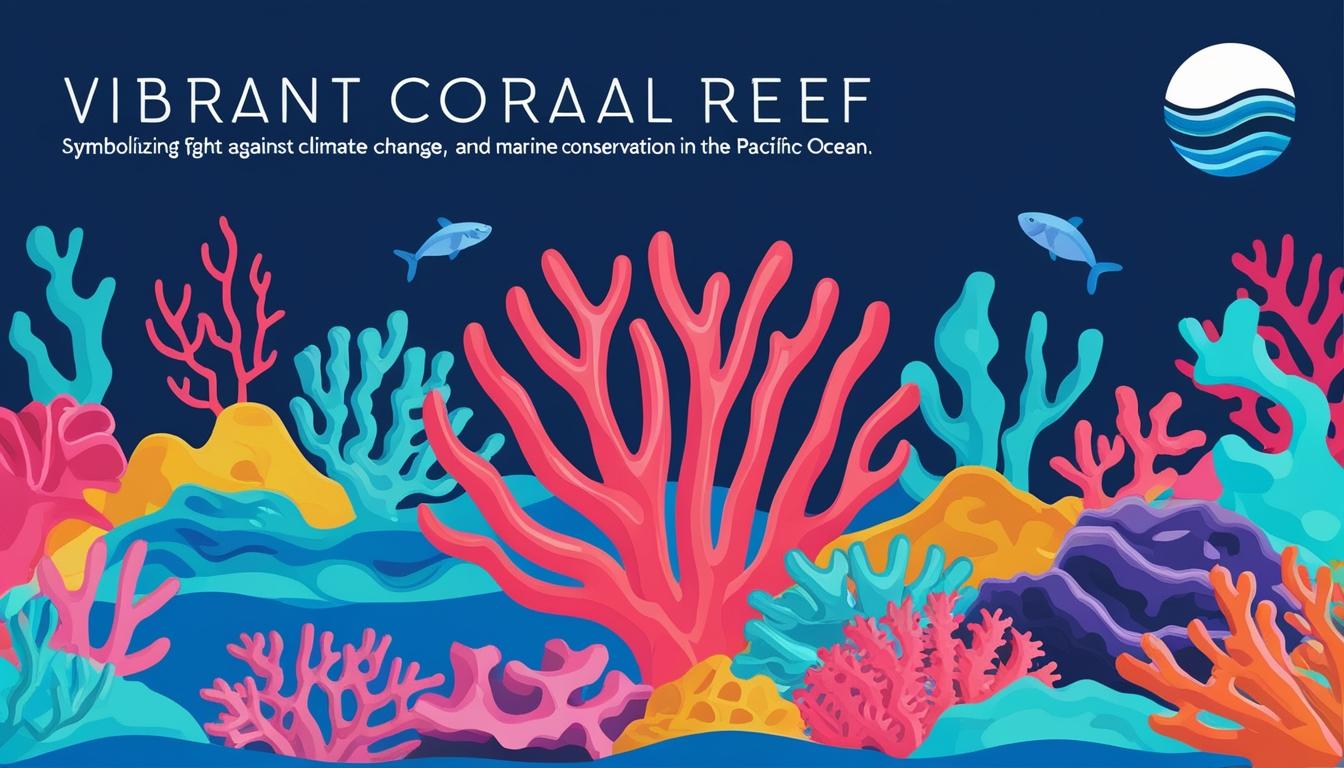

Growing alarm for marine ecosystems and cultural heritage in the Pacific as climate change intensifies, prompting calls for enhanced conservation measures and community engagement.
Concerns Raised Over Marine Ecosystems and Culture Amid Rising Temperatures
In recent developments, concerns regarding the state of the world’s oceans have increased significantly, highlighting drastic impacts such as marine heatwaves and the deterioration of ecosystems. According to the State of the Climate report, super marine heatwaves are one of the most pressing issues, contributing to the mortality of coral reefs and a decline in fish populations globally. This information stems from comprehensive research involving over 590 scientists across 60 countries, indicating alarming trends of ocean temperature rise and sea level increase.
The Pacific Ocean, particularly its remote islands, has been a focal point of these discussions. These isolated yet ecologically vital regions, which include the Pacific Remote Islands Marine National Monument, are home to unique species and traditional cultural practices. These are now threatened by climate changes and human activities. The monument encompasses islands like Jarvis, which hosts a rich diversity of marine life including coral sharks and anthias fish.
The movement for enhanced conservation efforts is gaining momentum amongst various groups, including Pacific Islander communities like the Chamoru and Native Hawaiians. These Indigenous groups, under the PRI Coalition, have collectively urged President Joe Biden to establish a marine conservation sanctuary to protect these critical habitats. The coalition has formally submitted a proposal aiming to reinforce conservation measures and safeguard the Pacific’s natural and cultural heritage.

This appeal coincides with President Biden’s announcement on September 27th, proclaimed as National Public Lands Day, highlighting milestones achieved in conserving land and water resources. As part of his broader ‘America the Beautiful’ initiative, there is an ambitious goal to protect 30% of U.S. lands and waters by 2030, a target commonly referred to as ’30×30′. This initiative marks significant progress in federal conservation policies, largely driven by investments in clean energy and sustainable land management.
The importance of the Pacific Remote Islands (PRI) is underscored by their ecological and cultural significance. These uninhabited islands and coral ecosystems play a crucial role in global biodiversity, serving as sanctuaries for threatened species and forming an integral part of Indigenous navigational heritage.
Globally, less than 3% of oceans are effectively protected from threats like overfishing and pollution, which are exacerbated by commercial interests and demand. Unsustainable fishing practices have been identified as major contributors to the decline in marine populations since the 1950s, and the PRI regions are no exception. Illegal fishing activities have severely impacted local shark, turtle, and seabird populations.
The prospect of deep-sea mining in the Pacific poses an additional threat, with potential economic profits overshadowed by environmental risks and likely long-term damage to seabed ecosystems. Opposition grows among state, local, and Indigenous leaders, as several jurisdictions, including Hawaii and American Samoa, have already banned this practice.
For Indigenous communities, the ocean is a source of ancestral connection and plays a vital role in cultural identities. The deep sea is revered in Hawaiian tradition, as narrated in the Kumulipo creation chant, emphasizing the birth and significance of coral as the first form of life.
Marine conservation efforts rely heavily on engaged community participation, especially in regions with deep cultural significance. Proposals for dual governance models advocate for shared management responsibilities, integrating Indigenous knowledge and practices with national conservation efforts.
Amidst rising climate challenges, there is a growing recognition of the necessity to protect these pristine marine environments. The Pacific Remote Islands currently offer a rare opportunity for significant conservation achievements, with certain areas already under partial protection. However, islands like Howland and Baker, along with Kingman Reef and Palmyra Atoll, remain unprotected, highlighting gaps in current conservation efforts.
After a decade of advocacy by local communities, there is a renewed urgency to preserve the Pacific’s remote islands. The outcome of these efforts will serve as a legacy for future generations, reflecting either preserved resilience or missed conservation opportunities.
Supporting these initiatives are several entities, including the Harry Nathaniel Family, Levani Lipton, the Mar Family, and Lisa Kleissner, playing crucial roles in advancing marine conservation dialogue and action.
As discussions continue, these efforts underline the intricate relationship between climate challenges and cultural preservation, calling attention to the need for comprehensive marine protection strategies.
Source: Noah Wire Services