






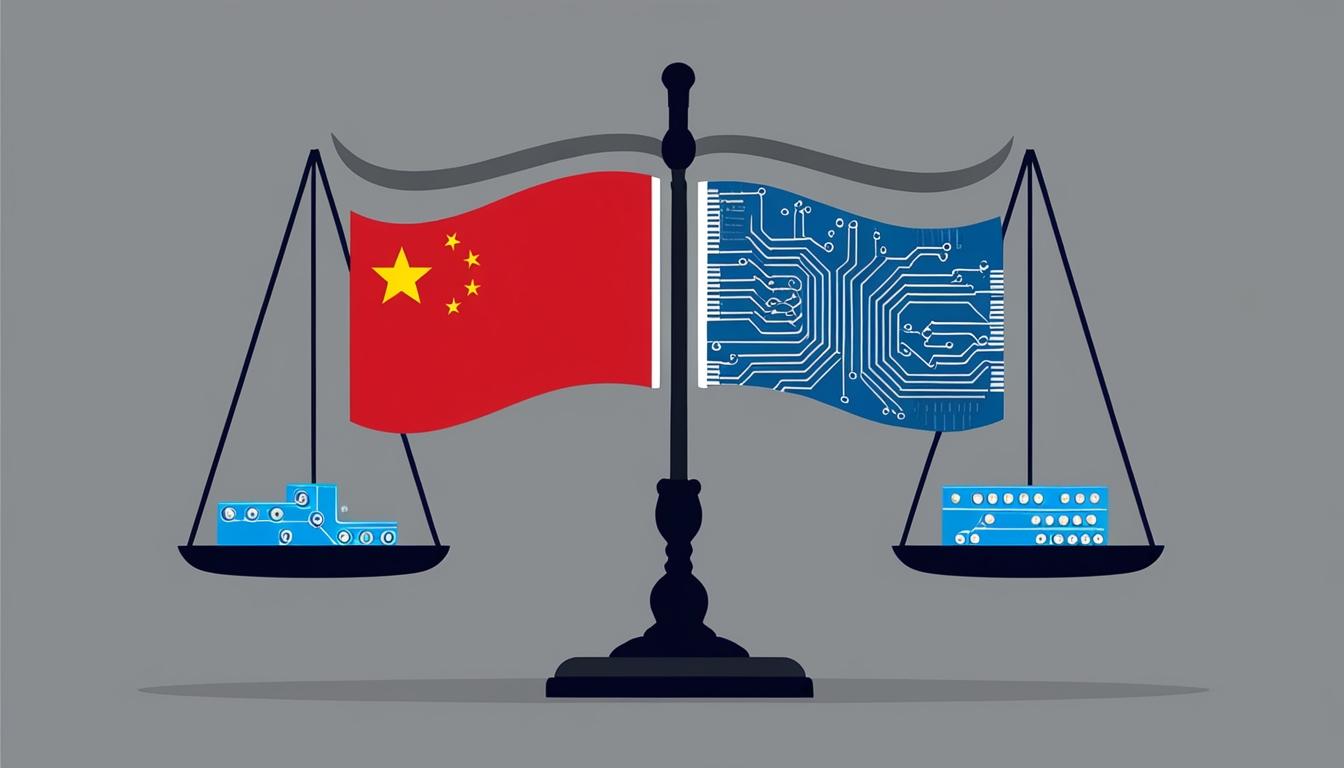

Ian Williams’ ‘Vampire State’ examines the complexities of China’s economic model and the impact of political control on growth prospects.
China’s Economic Challenges Explored in “Vampire State”
China’s economic journey, characterised by an unprecedented rise in global stature and the lifting of nearly 800 million people out of poverty over the past four decades, is now at a critical juncture. The remarkable growth trajectory, which positioned China as the world’s largest economy by some assessments, is facing scrutiny over its sustainability. In “Vampire State: The Rise and Fall of the Chinese Economy,” seasoned foreign correspondent Ian Williams delves into the complexities of China’s economy, arguing that the state-directed capitalism model may have stalled.
Williams presents an analysis of the Chinese Communist Party’s strategic control over industry, markets, and entrepreneurship. According to the author, the primary force driving China’s economic policies has been the party’s survival, effectively using the economy as a tool for political ends. Through engaging narratives, Williams depicts the profound influence Beijing exerts over businesses through a mix of regulatory force, boardroom pressure, and cases of entrepreneurs’ sudden disappearances. He details how policies and data are often tailored to suit the party’s objectives, highlighting a bureaucratic machine that employs Machiavellian methods, both domestically and globally.
Challenges such as Xi Jinping’s recent clampdown on wealth creators and tech enterprises have contributed to a dampening of the entrepreneurial spirit, potentially hindering economic revival efforts. Despite these concerns, China’s significant role in emerging technologies and green industries remains a formidable point of influence.

The Double-Edged Sword of Artificial Intelligence
Parallel to concerns about China’s economic future is the rise of artificial intelligence (AI) and its implications for global stability. Author James Rickards, in “MoneyGPT: AI and the Threat to the Global Economy,” explores the potential ramifications of widespread AI adoption. Rather than fearing malfunctions, Rickards argues that AI’s precise implementation in financial markets and other critical sectors could pose significant risks.
Rickards crafts a compelling hypothetical scenario where an AI-induced financial collapse unfolds, revealing the potential for rapid market destabilisation and the unpredictable nature of automated decision-making. The narrative stresses the necessity for stringent guidelines to govern the integration of AI in economic and defence systems, hinting at the complexities of human reliance on machine intelligence.
Britain’s Economic Pathway Explored in “Return to Growth”
As the British economy faces a challenging era marked by stagnant growth, increasing state demands, and a rising tax burden, Jon Moynihan offers insights in his book “Return to Growth: How to Fix the Economy, Volume 1.” The book arrives at a pivotal time as Rachel Reeves, the Chancellor of the Exchequer, prepares for her inaugural Budget presentation on October 30.
Moynihan, a Conservative peer, dissects the UK’s economic landscape, advocating for growth as a crucial policy focus. He provides critique and recommendations on the tax system, regulation, government expenditure, and the civil service. Moynihan’s analysis challenges the conventional wisdom, proposing reforms to release economic potential while pointing out where state interference may stifle private sector vibrancy.
Historical Insights into Western Economic Influence in Africa
Bronwen Everill’s “Africonomics: A History of Western Ignorance” offers a thorough historical review of the Western approach to Africa’s socio-economic development. The University of Cambridge lecturer examines the impact of Western economic ideologies on African societies through various case studies. Everill argues that despite well-meaning intentions, western-driven economic policies have often clashed with local realities, creating unforeseen complications.
The book underscores the importance of understanding indigenous contexts and suggests that development strategies should be more attuned to local cultural and economic environments. Through her historical exploration, Everill enriches the dialogue on the intersection of Western policies and African development.
These publications collectively contribute to a broader understanding of global economic dynamics, touching on intricate issues from China’s political-economic interplay, the potential perils and promises of AI, the quest for UK economic revitalisation, to the historical depth of Western-African economic engagements.
Source: Noah Wire Services







