





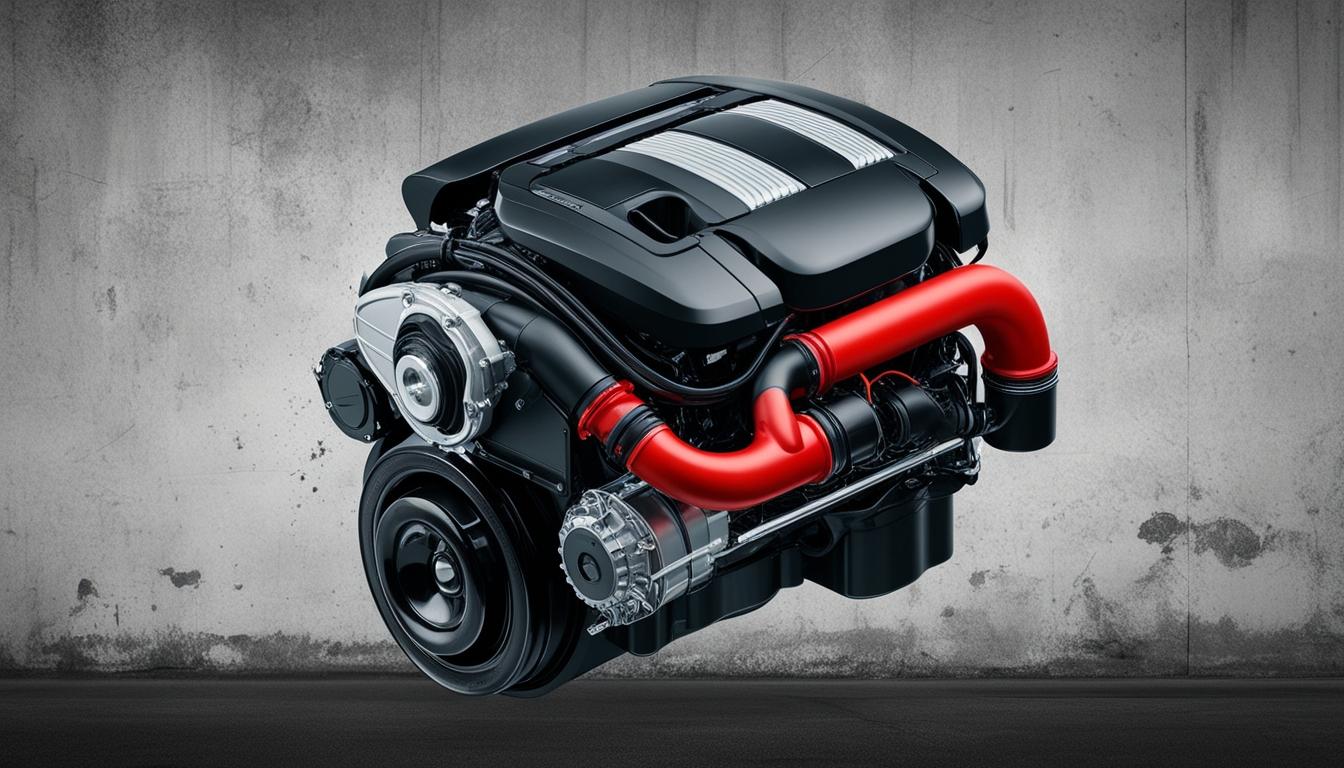

Major car manufacturers are reassessing their strategies regarding combustion engines and electric vehicles, signalling a potential shift in the automotive landscape as sales trends and consumer preferences evolve.
Recent shifts in the automotive industry have prompted major car manufacturers to reconsider their approaches to propulsion technology. Following a temporary surge of enthusiasm for electric vehicles (EVs), there is now a growing sentiment among companies such as Mercedes-Benz, Audi, and Toyota that combustion engine vehicles will remain in production longer than initially anticipated. This change in perspective is largely attributed to a noticeable decline in EV sales as incentives and subsidies offered by governments are either reduced or eliminated.
The current sentiment reflects increasing concerns over the viability of electric vehicles for broad consumer adoption. As experts point out, gaps in charging infrastructure have not aided these concerns, making potential buyers hesitant. Some manufacturers are responding by developing new, more efficient combustion engines. Interestingly, even brands traditionally associated with high-performance vehicles, such as Porsche, are innovating in this space. Porsche has reportedly engineered a novel engine concept featuring a new crankshaft mechanism, purportedly designed to enhance both power and efficiency, according to Auto Motor und Sport.
Volkswagen’s chief financial officer, Arno Antlitz, highlighted the company’s commitment to combustion technology, announcing an investment of approximately €60 billion (around $64.5 billion) aimed at maintaining competitiveness in this segment. This transition comes as Brussels is considering delaying the planned 2035 ban on the sale of combustion-engine vehicles in the European Union. Alexander Timmer, a strategist at Berylls and AlixPartners, stated, “The industry has slowly realised that the breakthrough of electro-mobility will take longer than expected, hoped or demanded.” This understanding is driving manufacturers to extend the lifecycle of existing combustion engines and invest in their further development.
Among the latest developments, Mercedes recently introduced its new petrol engine, the M 252, which is a 1.5-litre four-cylinder unit belonging to a new family of modular engines. It features 48-volt mild hybrid technology, enabling it to operate in purely electric mode under certain conditions, and is expected to become available in mid-2025.

The resurgence of interest in hybrid solutions represents a strategic response to challenges faced by EVs, particularly concerning range anxiety. Aston Martin and Ferrari, brands synonymous with luxury performance, have also indicated their commitment to combustion engines. Aston Martin has recently launched a new V12 petrol engine aimed at its high-end clientele, while Bugatti is introducing a new V16 petrol engine for its exclusive Tourbillon model—demonstrating a willingness to embrace traditional automotive engineering despite the growing prevalence of electric vehicles.
Audi has also positioned itself strategically by introducing a new interpretation of combustion engine architecture alongside the simultaneous rollout of its Premium Platform Electric (PPE) range. This is set to feature advanced combustion engine options designed to meet upcoming emissions regulations.
Further expanding their portfolio in this area, Toyota, in collaboration with Mazda and Subaru, has unveiled a new generation of four-cylinder combustion engines. Renault, on the other hand, has established a joint venture with China’s Geely Group dubbed Horse Powertrain, focusing exclusively on the development of both conventional and hybrid combustion engines across 17 planned plants on three continents.
Experts in the field, such as Stefan Pischinger from the RWTH Aachen University, argue that a dual approach, leveraging both internal combustion engine (ICE) and electric technologies, is prudent. Innovations, including improved catalytic converters that enhance fuel efficiency during all phases of operation, illustrate the potential for internal combustion frameworks to evolve. With optimised combustion processes, current engines that achieve efficiency levels of 42% may soon approach 50%, highlighting the enduring relevance of combustion engines in the near future.
As the market navigates these developments, it remains to be seen how consumer preferences will shift in response to advances in both electric and combustion technologies, as manufacturers seek to balance innovation with practicality across varied consumer landscapes.
Source: Noah Wire Services
- https://www.carscoops.com/2024/06/toyota-has-developed-a-new-combustion-engine-that-will-fend-of-evs-for-years-to-come/ – Corroborates Toyota’s development of a new thermally efficient internal combustion engine that can run on various fuels, including hydrogen, and their commitment to furthering ICE technology.
- https://www.motor1.com/news/728785/audi-could-sell-gas-cars-past-2033/ – Supports Audi’s consideration of continuing to build cars with combustion engines beyond 2033 and the industry’s overall shift in EV adoption timelines.
- https://www.scmp.com/lifestyle/travel-leisure/article/3288957/new-petrol-engines-developed-carmakers-including-toyota-and-mercedes-ev-sales-stall – Confirms that carmakers like Mercedes-Benz, Audi, and Toyota are developing cleaner, more efficient internal combustion engines due to disappointing EV sales and infrastructure issues.
- https://insideevs.com/news/736270/toyota-end-of-ice/ – Details Toyota’s discussion on the end date for non-electrified cars in the U.S. and their focus on hybrid and electric models, while still acknowledging the role of ICEs.
- https://www.motor1.com/news/728785/audi-could-sell-gas-cars-past-2033/ – Highlights Audi’s strategic focus on plug-in hybrid offerings and the potential delay in EU’s ban on combustion-engine vehicles, affecting industry plans.
- https://www.carscoops.com/2024/06/toyota-has-developed-a-new-combustion-engine-that-will-fend-of-evs-for-years-to-come/ – Explains Toyota’s ‘multi-pathway approach’ to reducing emissions, including hybrids, conventional hybrids, and hydrogen technologies, in addition to EVs.
- https://www.scmp.com/lifestyle/travel-leisure/article/3288957/new-petrol-engines-developed-carmakers-including-toyota-and-mercedes-ev-sales-stall – Mentions the impact of reduced government subsidies and gaps in charging infrastructure on EV adoption and the subsequent focus on improving combustion engines.
- https://www.motor1.com/news/728785/audi-could-sell-gas-cars-past-2033/ – Discusses Porsche’s and other luxury brands’ commitment to combustion engines, including the retention of big V-8 engines in models like the Cayenne.
- https://www.carscoops.com/2024/06/toyota-has-developed-a-new-combustion-engine-that-will-fend-of-evs-for-years-to-come/ – Details Toyota’s collaboration with Mazda and Subaru on new combustion engine technology and their focus on carbon-neutral fuels.
- https://insideevs.com/news/736270/toyota-end-of-ice/ – Provides insights from Toyota’s chief scientist on the company’s approach to a future with hybrids, EVs, and hydrogen cars, emphasizing a pragmatic view on technology adoption.
- https://www.scmp.com/lifestyle/travel-leisure/article/3288957/new-petrol-engines-developed-carmakers-including-toyota-and-mercedes-ev-sales-stall – Supports the industry’s realization that the transition to electric mobility will take longer than expected, leading to continued investment in combustion engine technology.







