









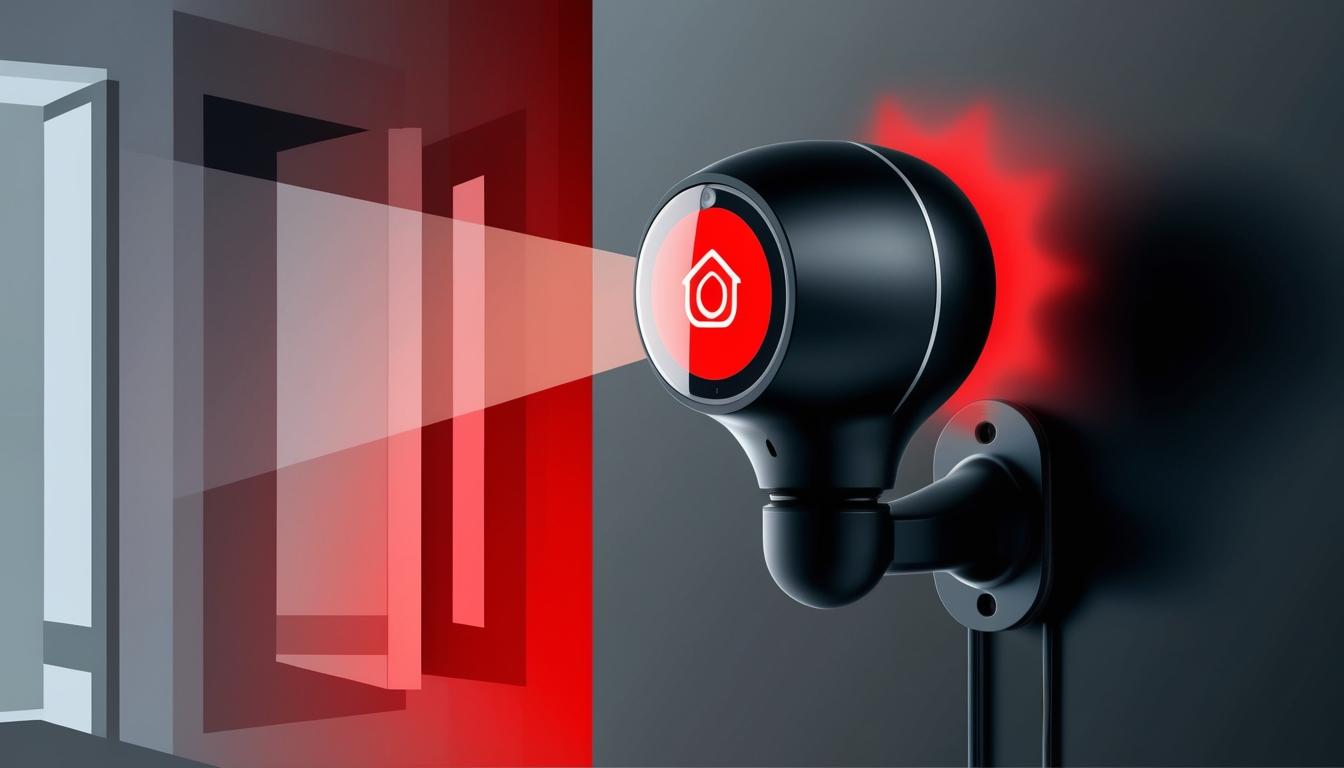
The integration of AI into smart homes enhances security but raises important concerns about privacy and data protection.
The integration of artificial intelligence (AI) into smart homes is ushering in a new era of residential security whilst simultaneously raising concerns about privacy and data protection. As AI technology continues to evolve, homeowners are finding enhanced safety options and conveniences, yet they must also navigates a landscape riddled with risks.
With the rising popularity of AI-powered smart home devices, the focus on security is becoming increasingly paramount. Industry professionals, such as Sal Dimiceli, an experienced real estate broker, highlight that the addition of AI technology not only bolsters safety but also adds to property value in a competitive market. According to Dimiceli, “In today’s market, a secure, smart home stands out and truly makes an impact.” AI security solutions are demonstrating their ability to provide real-time protection alongside peace of mind for homeowners.
One of the most notable advancements in AI security is the development of sophisticated security cameras. These devices are designed to distinguish between benign movements—like a pet passing by—and genuine threats, such as an intruder. This level of intelligence allows homeowners to receive instant alerts if an unusual activity occurs, thereby enhancing their ability to respond promptly to potential dangers.
Another critical innovation within the smart home arsenal is the smart doorbell, equipped with facial recognition technology. These doorbells notify homeowners when unfamiliar individuals approach their property. Many users benefit from two-way communication features that enable them to converse with visitors even while miles away from home.
Facial and voice recognition systems further elevate security by allowing access exclusively to predefined individuals, significantly lessening the risk of unauthorised entry. AI-driven sensors are also an essential component of this technology suite. They are designed to detect abrupt changes in the environment, including unforeseen temperature fluctuations or unusual sounds, sending immediate alerts to homeowners about potential hazards like fires or break-ins.
Despite these advantages, the implementation of AI in smart homes is not without its hazards. Privacy and cybersecurity risks are significant concerns as the devices typically collect and transmit large volumes of personal data. Data breaches could facilitate identity theft or expose sensitive personal information if these details fall into the wrong hands.
Moreover, smart home devices can be appealing targets for cybercriminals who may attempt to disable alarms, unlock doors, or even access internal cameras. These cybersecurity threats illustrate the potential repercussions of inadequate security measures in a connected home.
The reliability of AI systems also merits scrutiny. Technical glitches or bugs may lead to system failures, disrupting daily routines or, more alarmingly, compromising safety during critical situations. Compatibility issues among different devices can widen the vulnerability gap, exposing residents to a host of security threats.
To mitigate these risks effectively, homeowners are encouraged to prioritise a multi-faceted approach to AI security management. Implementing layered security measures—such as firewalls, antivirus programs, and multi-factor authentication across all devices—can considerably reinforce data protection and counteract potential intrusions.
As AI continues to revolutionise home security through efficiency and responsiveness, homeowners are tasked with maintaining an awareness of the inherent risks. Strategic risk management paired with intelligent use of AI technology can facilitate the creation of a secure, efficient, and comfortable living environment. While AI in smart homes presents both considerable advantages and challenges, its potential to reshape modern residential security practices is indisputable.
Source: Noah Wire Services
- https://camtechnology.ca/the-future-of-smart-home-security-ai-powered-surveillance/ – Corroborates the development of sophisticated security cameras that distinguish between benign movements and genuine threats, and the ability of AI to provide real-time protection and instant alerts.
- https://prolink2u.com/blogs/discover/how-ai-enabled-smart-home-cameras-can-help-enhance-overall-home-security – Supports the advancement of AI in home security cameras, including smart detection, reduced false alarms, and integration with other smart home devices.
- https://reolink.com/blog/ai-home-security/ – Details the integration of AI in home security systems, including facial recognition, voice recognition, and smart motion detection, as well as the benefits of personalized security and home automation.
- https://www.cspalarms.ca/blog/home-security/how-ai-is-transforming-the-home-security-industry/ – Explains how AI transforms home security through advanced surveillance, facial recognition, and automated response mechanisms, and highlights the integration with smart home devices.
- https://www.cspalarms.ca/blog/home-security/how-ai-is-transforming-the-home-security-industry/ – Discusses the role of AI in enhancing home security, including identity authentication, smart locks, and predictive analytics to mitigate potential threats.
- https://prolink2u.com/blogs/discover/how-ai-enabled-smart-home-cameras-can-help-enhance-overall-home-security – Supports the integration of AI with other smart home devices, such as smart lights and alarm systems, to enhance overall home security.
- https://reolink.com/blog/ai-home-security/ – Highlights the benefits of AI video doorbells, including facial recognition, two-way communication, and customized motion zones.
- https://www.cspalarms.ca/blog/home-security/how-ai-is-transforming-the-home-security-industry/ – Addresses the concerns about privacy and cybersecurity risks associated with AI-powered smart home devices and the importance of data protection.
- https://www.vivint.com/resources/article/perception-of-ai-home-security – Discusses the potential risks and concerns of AI-integrated home security systems, including data breaches and cybersecurity threats.
- https://camtechnology.ca/the-future-of-smart-home-security-ai-powered-surveillance/ – Emphasizes the need for a multi-faceted approach to AI security management, including layered security measures to reinforce data protection.
- https://www.vivint.com/resources/article/perception-of-ai-home-security – Provides insights on the future of AI in home security, including the importance of strategic risk management and intelligent use of AI technology.






