

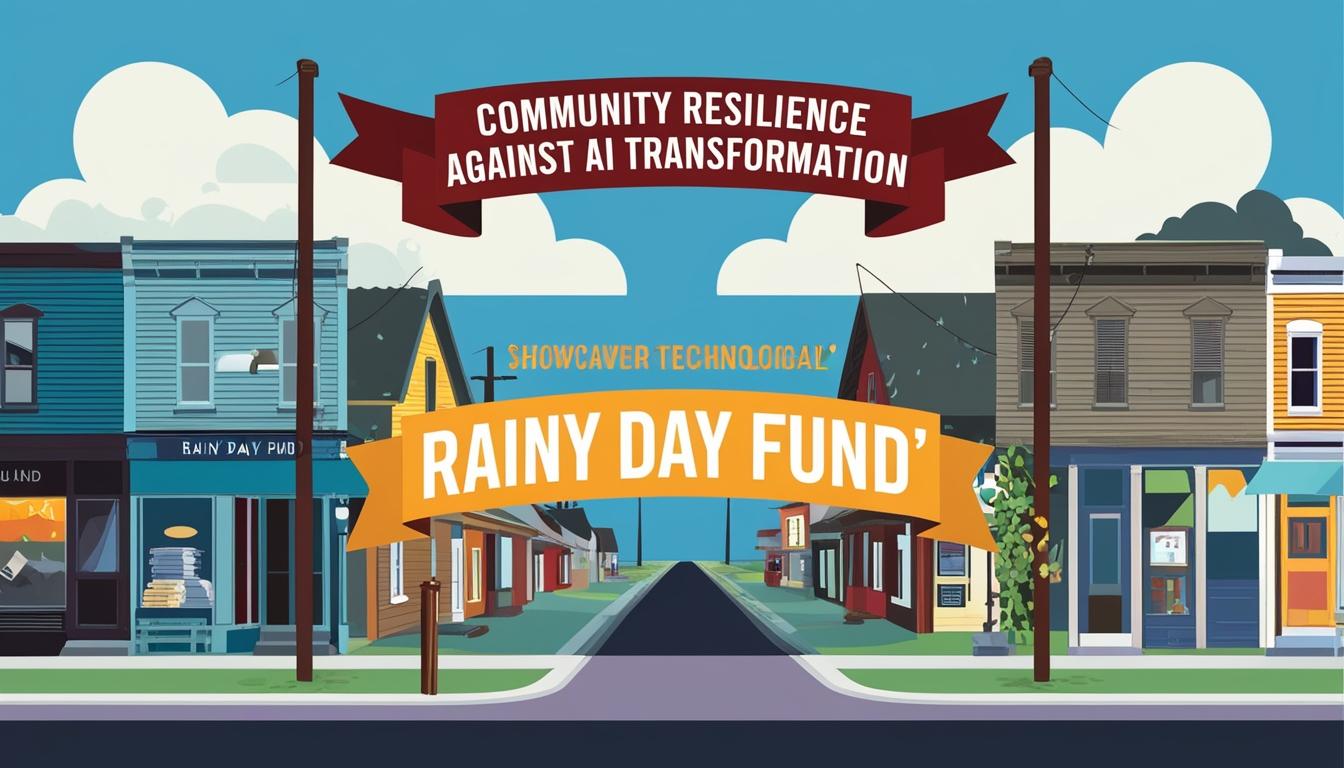

As AI integration reshapes industries, concerns grow over job displacement and economic stability, prompting discussions about protective measures for vulnerable communities.
Artificial Intelligence Poised to Transform Job Market: Communities Brace for Impact
The integration of artificial intelligence (AI) into various sectors heralds a new era of technological advancement, promising increased productivity and efficiency. However, this innovation poses significant challenges to the existing job market as companies may streamline operations, reducing the need for human labour. This evolving landscape raises concerns about potential economic stagnation in communities that may struggle with such transformative changes.
The issue at hand is not unprecedented. Historical precedents such as the wave of globalisation, which resulted in the closure of 70,000 factories and displaced 5 million manufacturing workers, illustrate the adverse effects on communities when new economic paradigms emerge. Those affected often faced diminished employment opportunities with less pay, fewer benefits, and decreased job security compared to their previous positions.
Oregon provides a pertinent case study. The state experienced a steep decline in its once-thriving timber industry, leaving towns like Mill City grappling with economic decline as residents remained in their ancestral homes despite reduced job prospects. The deeply entrenched connection to one’s home and community often outweighs economic incentives to relocate.

As AI continues to redefine job roles, a critical discussion emerges about how to safeguard the communities most vulnerable to these changes. A proposed mitigation strategy involves the establishment of a “rainy day fund”. This fund aims to provide targeted support to both individuals and local governments facing job displacement due to AI’s impact on specific industries. It could offer more comprehensive assistance than standard unemployment benefits by being especially designed for those at the sharp end of technological transition.
The funding for such a programme could theoretically come from taxing AI companies that are advancing towards artificial general intelligence—technologies that could potentially lead to widespread job displacement. This taxation could act both as a source of revenue and a deterrent against unchecked AI deployment, encouraging companies to consider broader societal impacts.
The envisioned model is reminiscent of governmental financial support mechanisms introduced during the COVID-19 pandemic, which helped economies weather unprecedented disruptions. A similar strategy could cushion communities as they adapt to job losses prompted by AI technology.
This proposal comes at a time when legislative bodies are often criticised for gridlock and inaction. The complexity and profound implications of AI advancements call for legislative agility and proactive measures to support affected communities.
Ultimately, while AI’s acceleration presents abundant opportunities for innovation, it simultaneously requires balancing these advancements with efforts to maintain societal stability. Establishing structures like a rainy day fund financed by AI taxation may offer a viable path to preserving community integrity amidst impending economic shifts.
Source: Noah Wire Services