









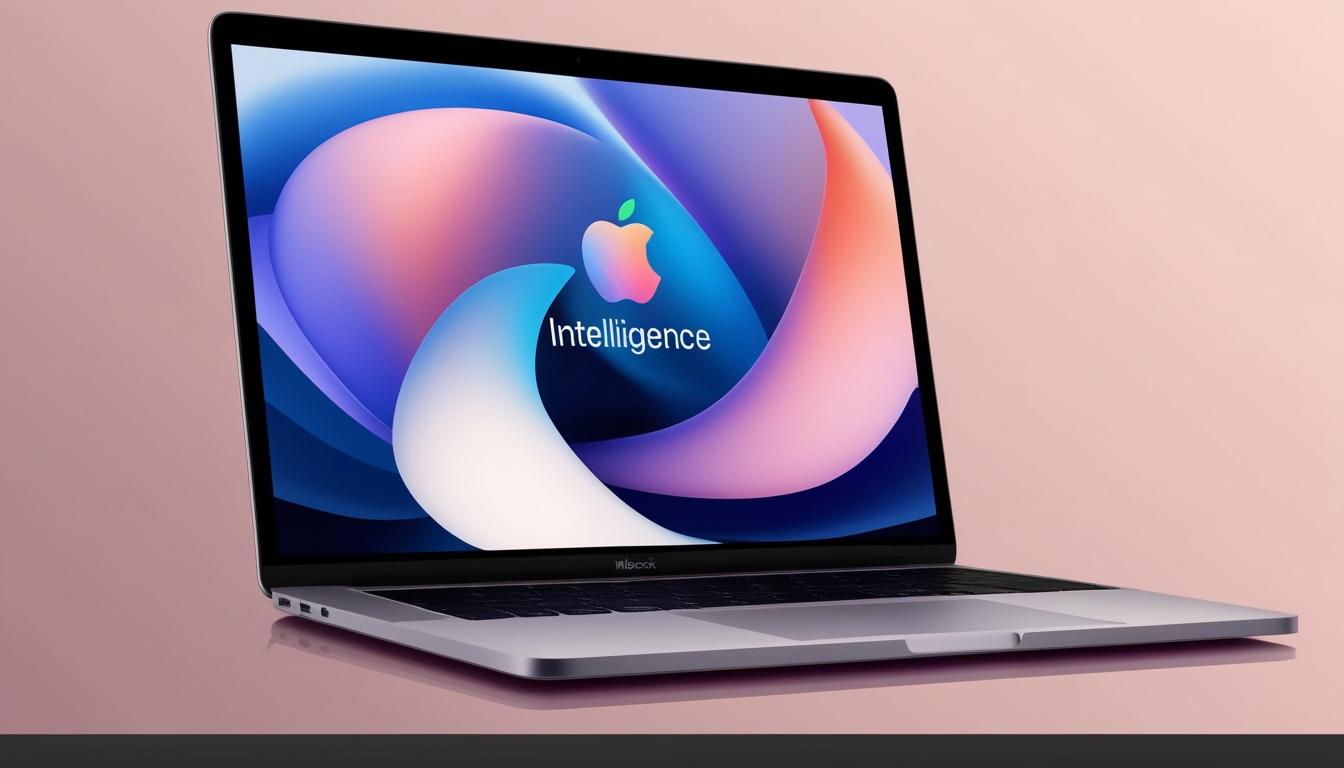
Apple has unveiled a major update to macOS, introducing AI-driven writing features in Sequoia 15.1, enhancing the user experience across text applications and expanding its functionality for Windows users.
Apple has announced a significant update to its macOS with the release of Sequoia 15.1, bringing its AI-powered tools, known collectively as Apple Intelligence, to Mac users. This development is particularly noteworthy because these tools allow for advanced functionalities such as proofreading, rewriting, and altering the tone of text, similar to functions offered by services like Grammarly, but built natively into the operating system.
The introduction of Apple Intelligence is expected to significantly enhance the user experience, particularly for those who frequently use text-based applications. The Writing Tools feature, one of the most prominent aspects of Apple Intelligence, has been designed to integrate seamlessly into various applications, thereby streamlining workflow processes for users.
The most recent update also caters to those who operate Windows on Mac. Through Parallels Desktop 20.1, users can now access Apple Intelligence features in Windows applications, a move that could broaden the appeal of Apple’s AI tools to a wider audience. Parallels Desktop, which allows the running of Windows on Mac, is facilitating this integration via its latest update. According to a blog post from Parallels, users need to have macOS Sequoia 15.1 and Parallels Desktop 20.1 to enable the Writing Tools in Windows.
This announcement is particularly welcomed by users of Apple’s new line of M4 Macs, which began shipping on November 8. These devices came with a unique version of macOS Sequoia 15.0 and require an immediate software update to access the new AI features introduced in version 15.1. This upgrade promises faster processing times for AI tasks, reportedly up to 46% quicker than the previous M3 chips, potentially enhancing the overall efficiency and capability of the Mac experience.
In a broader context, Apple Intelligence is part of Apple’s strategic push into the realm of consumer AI products. It embodies Apple’s approach of taking a deliberate stance in making technology both intuitive and functional, with a focus on user satisfaction.
Meanwhile, OpenAI has unveiled an update to its ChatGPT software, bringing the Advanced Voice mode to desktop apps on both macOS and Windows. This feature allows users to engage in voice interactions with ChatGPT-4o, the company’s current leading model. While this mode has been available on mobile platforms, its expansion to desktop marks a new phase, offering similar performance and features. However, access to Advanced Voice mode requires a ChatGPT Plus subscription, although a limited version is available for free with a 10-minute talk time cap.
This period marks a significant advancement in AI integration across various operating systems, with OpenAI and Apple both expanding their capabilities in ways that aim to enhance user experience and efficiency across their respective platforms. The continuous evolution of AI tools offers intriguing prospects for the future of digital interaction and productivity enhancement.
Source: Noah Wire Services






