





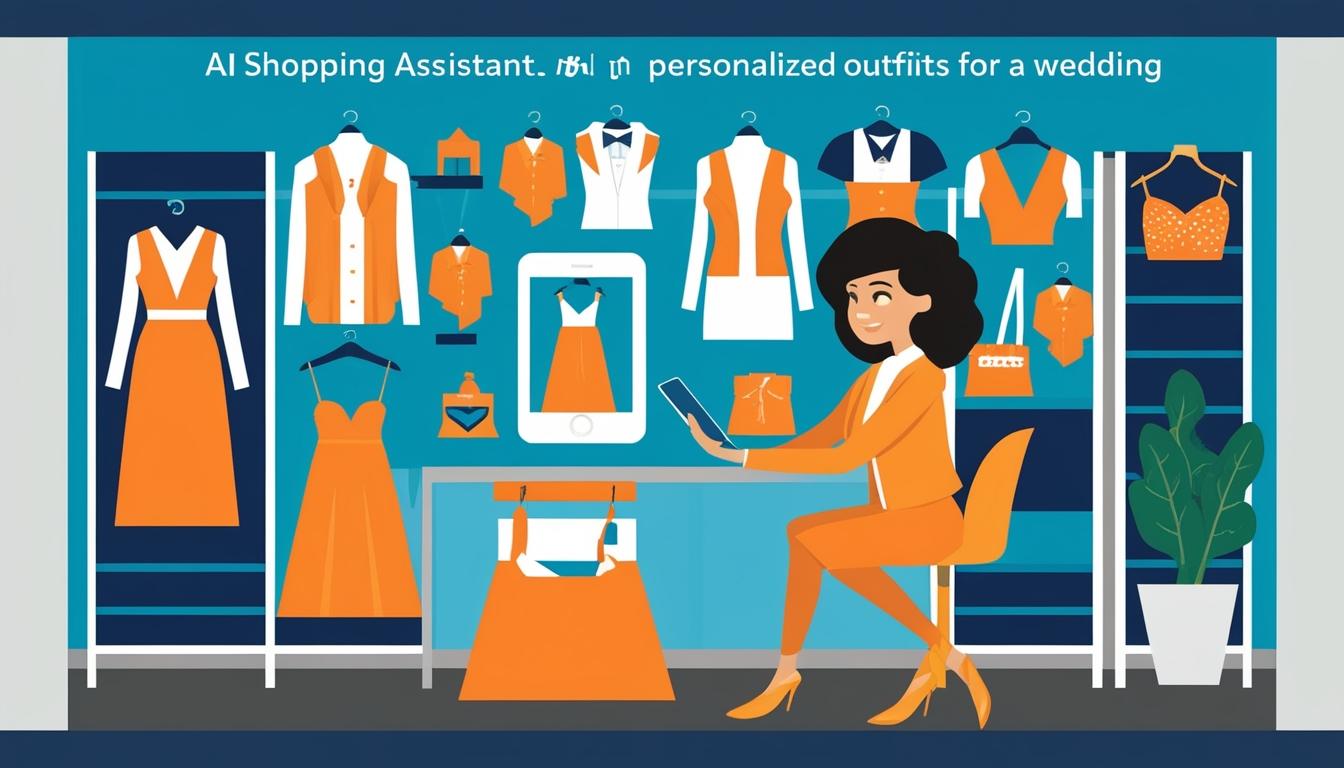

The integration of AI in retail is reshaping shopping experiences, making personal shopping more accessible while posing challenges for brands to maintain customer connections.
Artificial intelligence (AI) is revolutionising the retail shopping experience, making personal shoppers accessible to a wider audience beyond just the luxury market. The incorporation of AI in retail is transforming industries by streamlining the shopping process and providing highly personalised recommendations efficiently.
AI shopping assistants are able to perform a multitude of tasks instantaneously, from managing professional schedules to curating comprehensive shopping lists. With these capabilities, AI is set to redefine personal shopping experiences by quickly gathering and presenting tailored options for consumers. For example, a shopper looking for an affordable suit for a summer wedding can receive a list of options that meet their criteria, including considerations such as price range, seasonal fabric, and immediate availability for same-day pickup or shipping.
The introduction of these AI shopping assistants poses potential challenges for brands. As AI can perform shopping tasks for consumers, maintaining a direct connection with customers becomes a critical consideration for businesses. To effectively utilise AI, brands must understand the shopping behaviours and language preferences of their customers, as AI relies on these inputs to suggest suitable products.
Brands must align their online content and product descriptions with the expectations and search habits of their target audience. By doing so, they can ensure that AI shopping assistants surface their products more effectively in search results. This alignment requires brands to develop a customer-centric approach, altering their content strategies and product narratives to reflect the priorities of their consumers.

However, there’s a potential risk with hyperpersonalised recommendations. While AI can provide tailored shopping experiences, overly specific suggestions may limit exposure to new styles and trends, potentially leading to monotonous shopping experiences. Brands can counteract this by fostering engaging brand experiences offline that influence online narratives. Hosting in-person events, facilitating press coverage, and involving brand ambassadors can enhance the breadth of content available online, which AI can use to broaden its recommendations.
To allow AI to effectively represent their brand, companies should implement a 360-degree content strategy rooted in their brand heritage. This approach not only celebrates the original essence of the brand but also creates opportunities for showcasing a diverse product line. Events like pop-up shops and new collection showcases can cultivate both offline and online engagement, keeping the brand relevant in AI-generated suggestions.
Manfred Abraham, CEO of the business consultancy Yonder, suggests that staying true to one’s brand whilst adapting to modern technology creates a cohesive content strategy that resonates with both consumers and AI systems alike. By balancing online content with dynamic offline experiences, brands can leverage AI shopping assistants to maintain a strong customer connection and maximise the opportunities that AI integration presents.
Source: Noah Wire Services







