









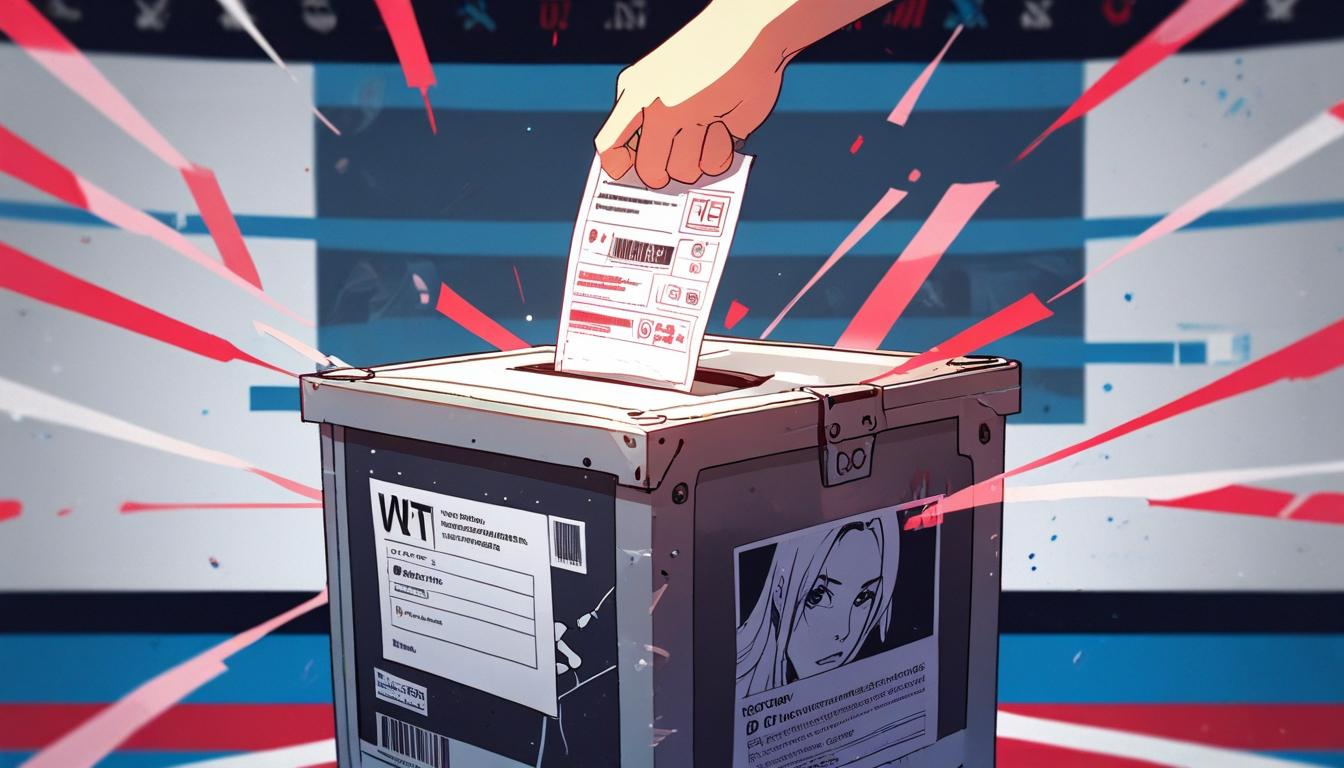
The use of artificial intelligence in the U.S. election cycle is reshaping political strategies, prompting urgent calls for regulations to protect voter privacy and combat misinformation.
In the current U.S. election cycle, artificial intelligence (AI) is playing an unprecedented role, creating new challenges and opportunities within political campaigns. As AI technologies become more sophisticated and integrated into political strategy, concerns about data privacy and misinformation have come to the forefront.
Nicky Watson, the founder of the technology firm Cassie, has raised concerns about the growing influence of AI in political campaigns and its implications on voter trust and personal data privacy. Watson highlights that the use of AI in elections is transforming traditional campaign strategies, emphasising the need for robust regulations to protect voters.
Among the most significant impacts of AI in politics is its role in crafting hyper-targeted advertisements. By leveraging vast datasets, AI can create precise voter profiles and tailor ads to individual preferences. This technological advantage allows political campaigns to effectively influence voter opinions. A Cassie survey recently found that one in five individuals had reconsidered their political stance due to targeted advertisements, underscoring the power of AI in shaping voter behaviour.
However, this capability comes at a cost. The extensive use of personal data to target voters raises privacy concerns. Voter information is often collected without explicit consent, leaving individuals unaware of the extent to which their data is utilised. This situation creates a vital need for transparency to ensure that personal privacy is not compromised in the process of targeting voters.
Another critical issue posed by AI is the potential for spreading misinformation. Generative AI technologies are capable of creating convincingly deceptive content, including deepfake videos and images. These can be used to mislead voters with false information, significantly impacting their trust in the political process. The precision targeting of such misinformation using personal data only compounds the risks, making it a matter of urgent concern.
Despite the evident risks, regulatory measures to address AI’s use in political campaigns remain inconsistent across the United States. Individual states like Arizona, California, and Florida have taken steps to regulate AI by mandating that political ads disclose the use of AI technologies. Yet, these efforts vary widely, and some proposed regulations, such as North Carolina’s disclaimer requirement for AI-generated political content, have not survived the legislative process.
At the national level, the proposed American Privacy Rights Act (APRA) aims to establish a comprehensive framework for data privacy and AI use. However, the progress of APRA has been slow, and it will not be implemented in time for the current election cycle, leaving significant regulatory gaps.
In the absence of cohesive national regulation, the onus falls on political campaigns and businesses to protect voter data and use AI ethically. This involves instituting transparent consent protocols, prioritising data privacy, and clearly informing voters about AI’s role in campaign strategies.
As AI’s influence on political campaigns continues to evolve, the need for effective regulation and ethical practices becomes increasingly vital. The integration of AI in elections promises efficiency and precision, but it also necessitates careful oversight to safeguard democratic processes and voter privacy.
Source: Noah Wire Services






