









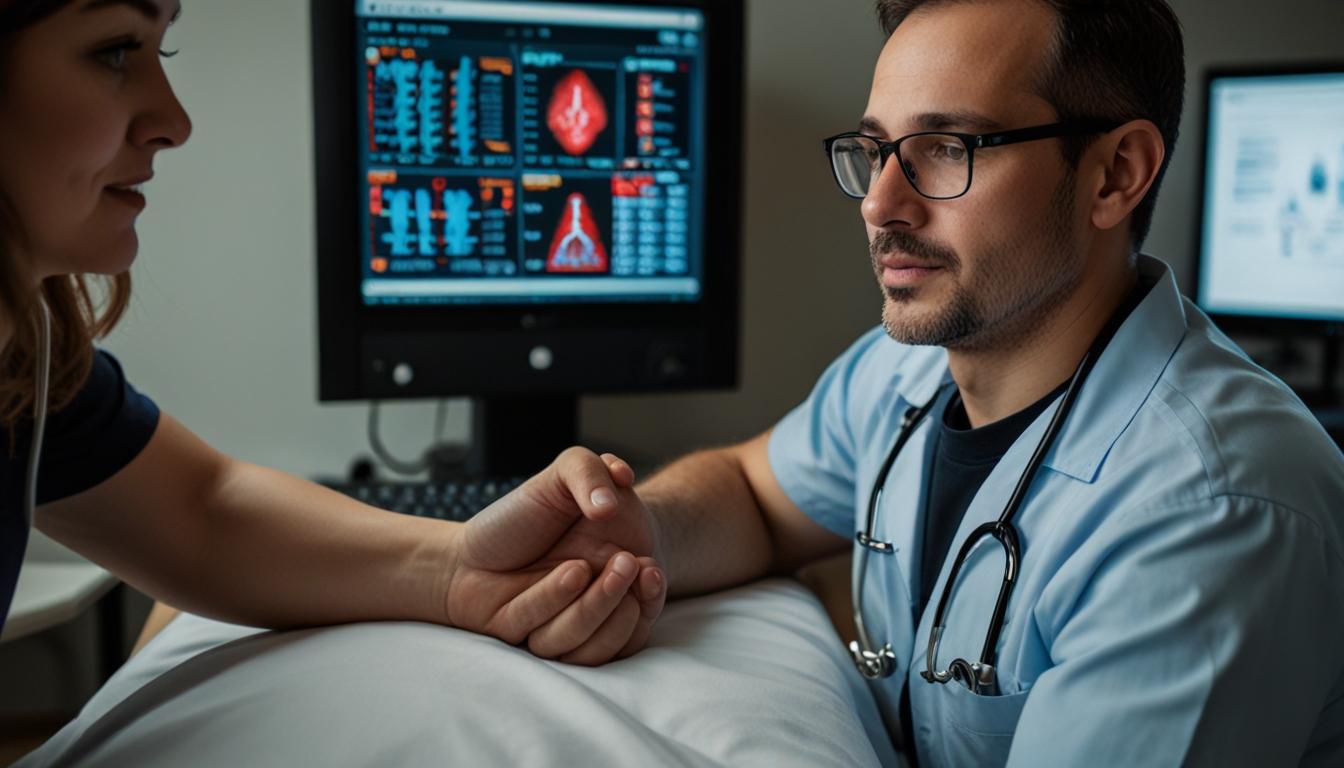
The Malta & McConnelsville Fire Department introduces AQUA, an AI-driven system aimed at improving patient care and EMS clinician training in rural Ohio.
AI Initiative Revolutionises EMS Care in Malta & McConnelsville
Malta & McConnelsville, Ohio – The Malta & McConnelsville Fire Department has unveiled a pioneering initiative utilising artificial intelligence (AI) to enhance patient care and clinical outcomes in emergency medical services (EMS). Known as AQUA (Artificial Intelligence Quality Assurance), the innovative programme underscores the department’s commitment to leveraging advanced technology to improve healthcare delivery.
What is AQUA?
AQUA is an AI-driven system designed to scrutinise EMS responses comprehensively. It meticulously evaluates EMS run reports, encompassing the type of care administered and medications provided, correlating these with the nature of the call and the patient’s outcomes. This high-speed analysis determines the appropriateness of the care delivered, identifies areas for improvement, and highlights any additional training requirements for EMS clinicians.
Training and Education
Upon identifying a need for further training, AQUA initiates a structured educational programme. Clinicians receive four 15-minute training sessions coupled with a quiz. Successful completion of each training and quiz yields a one-hour credit, thereby continually refining their skills and competency as EMS providers.
A Rural Healthcare Challenge
Serving a rural area devoid of emergency departments, with the closest trauma centre being an hour’s drive away, the Fire Department faces significant challenges in providing timely and effective emergency care. Fire department officials believe the early results from AQUA are promising and anticipate significant enhancements in the skills of their EMS clinicians, ultimately leading to improved patient care and outcomes.
Paramedic Captain Jacob Woodward, who oversees EMS operations, highlighted the transformative potential of AQUA. “We have essentially instituted a real-time quality assurance office for EMS at the Malta & McConnelsville Fire Department,” said Woodward. “We are literally adjusting clinician style and performance between events.”
Joshua Tilton, Clinical Quality Officer and PhD candidate at Capitol Technology University, echoed these sentiments. “The next event will always be better, even if the prior call had a positive outcome,” said Tilton, who manages the initiative. “This programme provides consistent quality measurement and real-time feedback that enhances our clinicians’ capabilities following each event.”
The Importance of Data
Both Woodward and Tilton emphasise that comprehensive and well-documented EMS reports are crucial for the success of AI programmes like AQUA. “When your reports are thorough and well-written, they can save lives,” stated Tilton.
Cost-Effective Solution
Remarkably, AQUA incurs no financial burden on the fire department or the local community. Tilton’s involvement in the project is part of his PhD studies in Artificial Intelligence, making the initiative cost-free.
Looking Forward
Tilton envisions a broader application of AQUA across numerous fire and EMS departments nationwide. “I believe this will save lives and that it is scalable for small and large departments alike,” he noted. “If this continues to be a success, patients everywhere could—and should—benefit.”
As the Malta & McConnelsville Fire Department forges ahead with this ambitious programme, the success and scalability of AQUA may well serve as a model for EMS departments throughout the country, aspiring to enhance patient care through the innovative application of AI technology.
Source: Noah Wire Services






