









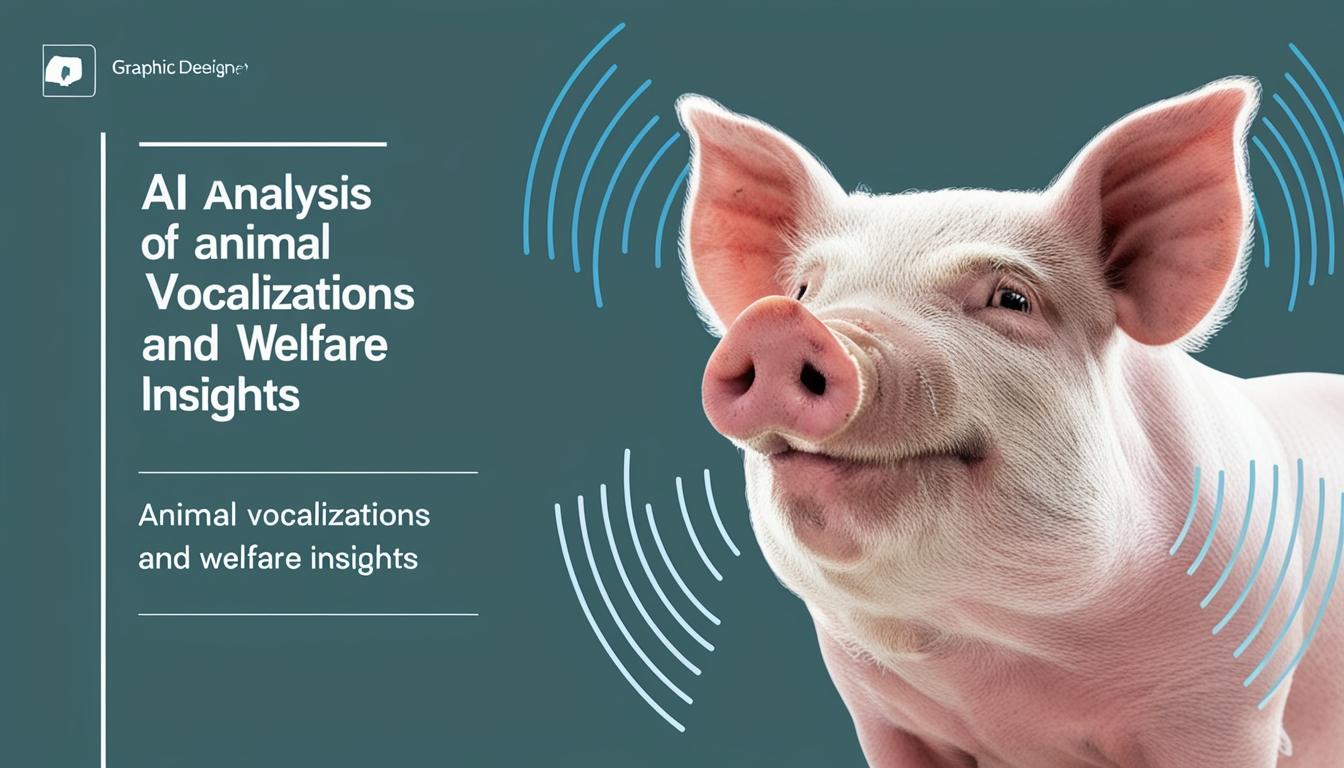
Scientists have developed an AI algorithm that interprets the emotional states of pigs through their vocalisations, paving the way for improved livestock welfare and insights into their health.
AI Breakthrough Heralds New Era in Understanding Animal Emotions
In a groundbreaking development, scientists have successfully developed an artificial intelligence (AI) algorithm capable of interpreting the emotional states of pigs by analysing their vocalisations. This innovative research is paving the way for enhancing the welfare of livestock by allowing farmers to gain insights into the emotional and physical health of their animals.
The study involved collecting and analysing thousands of recordings of pigs throughout various stages of their lives, including up to their arrival at slaughterhouses. Each sound, be it a grunt, squeal, or snuffle, was meticulously tagged and categorised based on whether it was associated with positive or negative experiences. Through this extensive data, the AI was trained to recognise the emotions underpinning different sounds. Notably, findings indicated that high-pitched squeals often signify fear or stress, while shorter grunts suggest contentment.
This novel approach to monitoring animal welfare is part of a larger effort to integrate more sophisticated technology into modern farming practices. While physical health monitoring tools are already commonplace on farms, this advancement offers a new dimension by including psychological health, which could prove invaluable. Ensuring pigs are content is not only an ethical consideration but also benefits farmers economically, as happier pigs tend to yield more valuable meat.
The implications of this technology extend beyond swine. Researchers are optimistic about the potential for adapting the AI to decode the emotional states of a variety of animals. Similar initiatives are underway, exemplified by the development of the Shazam Band. This device, resembling a collar, employs sensors to interpret and translate the behaviour and responses of pets into human language, broadcasted via speakers on the collar. Over time, it learns to more accurately gauge the pet’s communication style.
While the practical deployment of such collars on the millions of pigs farmed globally may not be feasible, the AI algorithm offers alternative applications. Researchers are exploring the possibility of developing a convenient application leveraging this technology. Such an app could allow farmers to monitor conditions such as temperature shifts or detect the presence of feral animals, thereby further enhancing farm management.
As the AI continues to evolve with more extensive data input, it presents exciting possibilities for improving the welfare of livestock worldwide. This technological leap not only highlights the merging of technology and animal science but also sets the stage for future innovations aimed at better understanding the creatures around us.
Source: Noah Wire Services






