









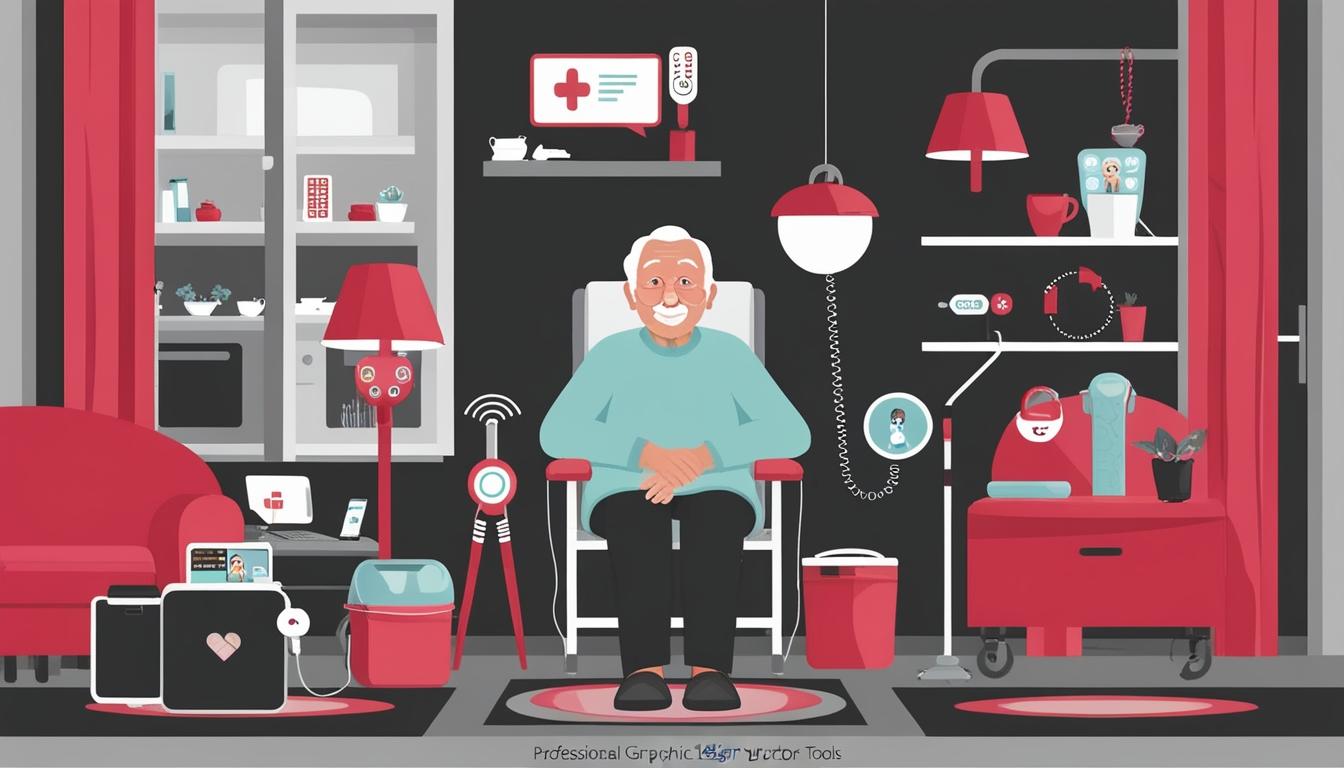
With a significant portion of Singapore’s population approaching senior age, experts outline urgent reforms needed in the aged care landscape, from caregiver training to tech integration.
As Singapore faces an ageing population, with projections indicating that 24.1% of its residents will be aged 65 and above by 2030, the nursing care landscape is under scrutiny. Many elderly Singaporeans express a clear preference for ageing in place, with eight out of ten indicating a desire to remain in their homes rather than move into nursing facilities. This trend highlights significant challenges within the current aged care system, which is often characterised by routine and a lack of personalised care.
Phyllis Tan, head of Nursing at Allium Care Suites, pointed out that the current models of service delivery in nursing homes largely resemble “healthcare assembly lines,” failing to offer the customised support required to meet the psychosocial needs of residents. Tan attributed this issue to resource constraints that prevent the implementation of person-centred care practices.
In light of the increasing elderly population, stakeholders in the industry are being called upon to address the gaps in caregiver training and support. Vincent Wong, co-founder at Anglo Caregivers, stated that many caregivers suffer from physical and emotional burnout due to the demanding nature of their roles. He noted that some caregivers, particularly those who lack prior experience, often struggle to meet the needs of elderly patients, despite undergoing training from healthcare professionals.
To tackle these issues, Anglo Caregivers is recruiting experienced foreign domestic caregivers, who possess language skills to facilitate communication with the elderly. Wong highlighted that due to the complexity and demands of caregiving, training alone may not suffice for all individuals entering the field.
The integration of technology into care strategies is seen as a vital component of addressing the challenges within the aged care system. EZ Bala, CEO of Alphind Healthcare, emphasised the need for a comprehensive platform that would integrate electronic health records across multiple systems, ensuring a holistic view of an individual’s health. He identified the necessity of including information from other domains, such as diet and lifestyle, to enhance care quality.
Furthermore, advancements in wearable health technology and robotics are already in use, facilitating timely interventions while promoting seniors’ independence. Tan pointed out that having tools like automated medication dispensers and emotional support companions would significantly improve the overall care provided to the elderly populace.
The collaboration between hospitals and community care services is also pivotal. Effective discharge planning and targeted follow-up care, such as home visits and regular check-ins, can significantly enhance the continuum of care for seniors. Janice Chia, founder of Ageing Asia Pte Ltd, advocated for the expansion of telehealth services and enhanced communication frameworks to enable seamless information sharing among healthcare providers.
As Singapore’s aged care landscape evolves, there is a recognition that government and private sectors must come together to leverage technology effectively, ensuring that care remains affordable and accessible while enabling the elderly to live fulfilling lives in environments of their choice. Chia underscored the importance of AI-driven solutions that cater to the real-world needs of both caregivers and patients. She stated that successful implementation of technology should enhance human care rather than replace it, suggesting that AI could play a substantial role in chronic disease management and fall detection systems.
In summary, as the demand for aged care services grows, a multifaceted approach that incorporates improved caregiver training, technological integration, and enhanced care models is essential. Stakeholders from various sectors must collaborate to create an efficient, responsive, and compassionate aged care system that reflects the preferences and needs of Singapore’s ageing population.
Source: Noah Wire Services
- https://www.frontier-enterprise.com/bracing-singapores-healthcare-for-the-silver-tsunami/ – Corroborates the challenges of an ageing population, including resource constraints, the need for digitalisation, and the importance of integrated care.
- https://voffice.com.sg/5-best-elderly-care-services-in-singapore-in-2024/ – Supports the growing demand for elderly care services, the preference for ageing in place, and the various care options available in Singapore.
- https://www.channelnewsasia.com/today/big-read/super-aged-2026-singapore-ready-4656756 – Discusses Singapore’s preparation for a super-aged society, the need for stronger social support and safety nets, and the importance of community engagement.
- https://www.straitstimes.com/singapore/singapore-set-to-transform-healthcare-system-to-cater-to-rapidly-ageing-population – Highlights the transformation of Singapore’s healthcare system to address the challenges of an ageing population, including the launch of Healthier SG and the integration of digital health records.
- https://www.moh.gov.sg/newsroom/speech-by-mr-ong-ye-kung–minister-for-health-at-the-aic-community-care-work-plan-seminar–3-may-2024 – Provides details on the increasing elderly population, the need for support for older seniors, and the importance of community care initiatives like Age Well SG.
- https://www.frontier-enterprise.com/bracing-singapores-healthcare-for-the-silver-tsunami/ – Emphasizes the role of digitalisation in addressing the challenges of an ageing population, including the use of electronic health records and cloud-based solutions.
- https://voffice.com.sg/5-best-elderly-care-services-in-singapore-in-2024/ – Details the various elderly care services available, including home care, daycare, and nursing homes, and the financial support provided by the government.
- https://www.channelnewsasia.com/today/big-read/super-aged-2026-singapore-ready-4656756 – Discusses the importance of social support and community engagement for elderly individuals, including initiatives like Active Ageing Centres.
- https://www.straitstimes.com/singapore/singapore-set-to-transform-healthcare-system-to-cater-to-rapidly-ageing-population – Explains the need for better coordination and integration of care, particularly in primary care, and the role of Healthier SG in addressing these issues.
- https://www.moh.gov.sg/newsroom/speech-by-mr-ong-ye-kung–minister-for-health-at-the-aic-community-care-work-plan-seminar–3-may-2024 – Highlights the challenges faced by caregivers, the need for better training and support, and the importance of leveraging community spaces for elderly activities.
- https://www.frontier-enterprise.com/bracing-singapores-healthcare-for-the-silver-tsunami/ – Corroborates the importance of collaboration between healthcare providers and the use of technology to enhance care coordination and reduce medical errors.






