






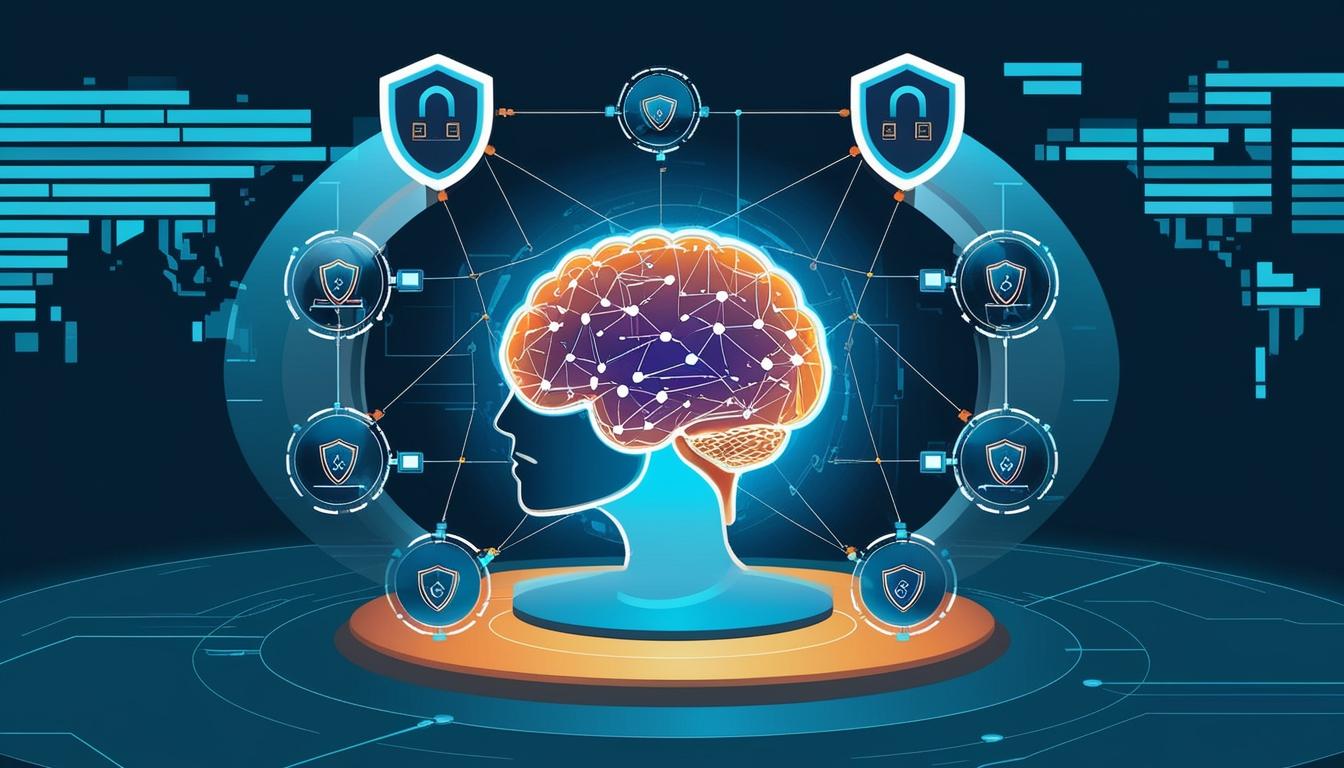

With the rise of sophisticated cyber threats, AI and APIs play crucial roles in technological progress and security. This article explores their interconnectedness, the challenges they face, and the best practices for ensuring safety in the digital realm.
AI and API Security: Navigating the Digital Frontier Amid Increased Cyber Risks
In the rapidly evolving digital landscape, Artificial Intelligence (AI) and Application Programming Interfaces (APIs) stand as crucial pillars of technological progress. APIs serve as the digital connectors, enabling seamless communication between different software applications, thereby fostering the growth and integration of AI systems in various sectors. However, this interconnectedness also brings to the forefront significant security concerns, particularly as cyber threats grow in sophistication and frequency.
Understanding the Role of APIs in AI Systems
APIs are foundational to AI systems, facilitating essential processes such as data handling and model integration. They allow for the efficient flow of large datasets necessary for training AI models, thereby enhancing capabilities like predictive analytics. Moreover, APIs support scalability in AI operations, allowing systems to adapt to varying demands effectively. Among the common types of APIs used in AI are RESTful APIs, known for their simplicity and scalability, and SOAP APIs, which offer more stringent security features. The nuanced understanding of these APIs enables better leverage of AI potential while maintaining firm security measures.

AI’s Contribution to API Security
The integration of AI into security frameworks introduces advanced solutions to address complex challenges. AI excels in automated threat detection, quickly identifying potential dangers through the analysis of patterns and anomalies in API traffic, which allows for timely interventions. Additionally, AI employs predictive analytics, utilising historical data to forecast potential security breaches, which aids in developing proactive strategies. Enhanced authentication protocols, like biometric verification and behaviour analysis, improve API security by ensuring only authorised access. Furthermore, self-learning security systems enable continuous adaptation to new threats, fortifying APIs against both current and future cyber challenges.
Challenges Facing AI-Driven APIs
Despite their advantages, AI-driven APIs confront several security challenges. The vast and varied data processed by AI systems make them attractive targets for data breaches, necessitating robust measures to ensure data integrity and confidentiality. Injection attacks, where malicious code is inserted into systems, are of particular concern as AI’s complexities can obscure these threats, complicating their detection. Traditional authentication methods may struggle with AI’s dynamic interfaces, potentially leading to unauthorised access. Moreover, the exploitation of these APIs for manipulating AI decisions or stealing intellectual property presents significant risks. A delicate balance between scalability and security is essential, as the expansion of AI systems often introduces new security vulnerabilities. The rapid pace of AI development often outstrips the establishment of standardised security protocols, resulting in inconsistent practices.
Implementing Best Practices in AI API Security
Securing AI APIs requires an amalgamation of advanced security techniques and adherence to fundamental principles. Robust authentication and authorisation measures, including OAuth2 and multi-factor authentication, alongside stringent access controls, are crucial. Encryption, both in transit and at rest, safeguards sensitive data from interception. Regular security audits help identify and address vulnerabilities, while rate limiting and throttling guard against denial-of-service attacks and abuse. Additionally, employing API gateways can provide an additional layer of security through features like IP filtering and request logging.
Emerging Trends in AI and API Security
Looking forward, the intersection of AI and API security is poised for transformative developments. Advancements in machine learning will bolster threat detection capabilities, enhancing real-time response to breaches. Predictive security analytics will leverage big data to pre-emptively identify vulnerabilities and potential attacks, facilitating proactive defences. AI-driven security systems will become increasingly autonomous, capable of self-management and automatic updating in response to threats, thereby reducing the need for human oversight. The integration of blockchain technology presents further security enhancements, offering robust, decentralised systems for managing access and maintaining data integrity. As quantum computing emerges, the necessity for quantum-resistant encryption methods will rise, addressing new security challenges posed by potential quantum-computing attacks. Ethical considerations, encompassing privacy and bias issues, will also gain prominence, guiding the development and deployment of AI security solutions.
An Evolving Digital Security Landscape
As AI continues to evolve, its role in API security becomes increasingly indispensable. The strategies being refined today promise to shape a secure, reliable digital environment as threats continue to develop in complexity. The collaboration between AI and API security thus remains at the forefront of securing the future’s interconnected technological landscape.
Source: Noah Wire Services







