






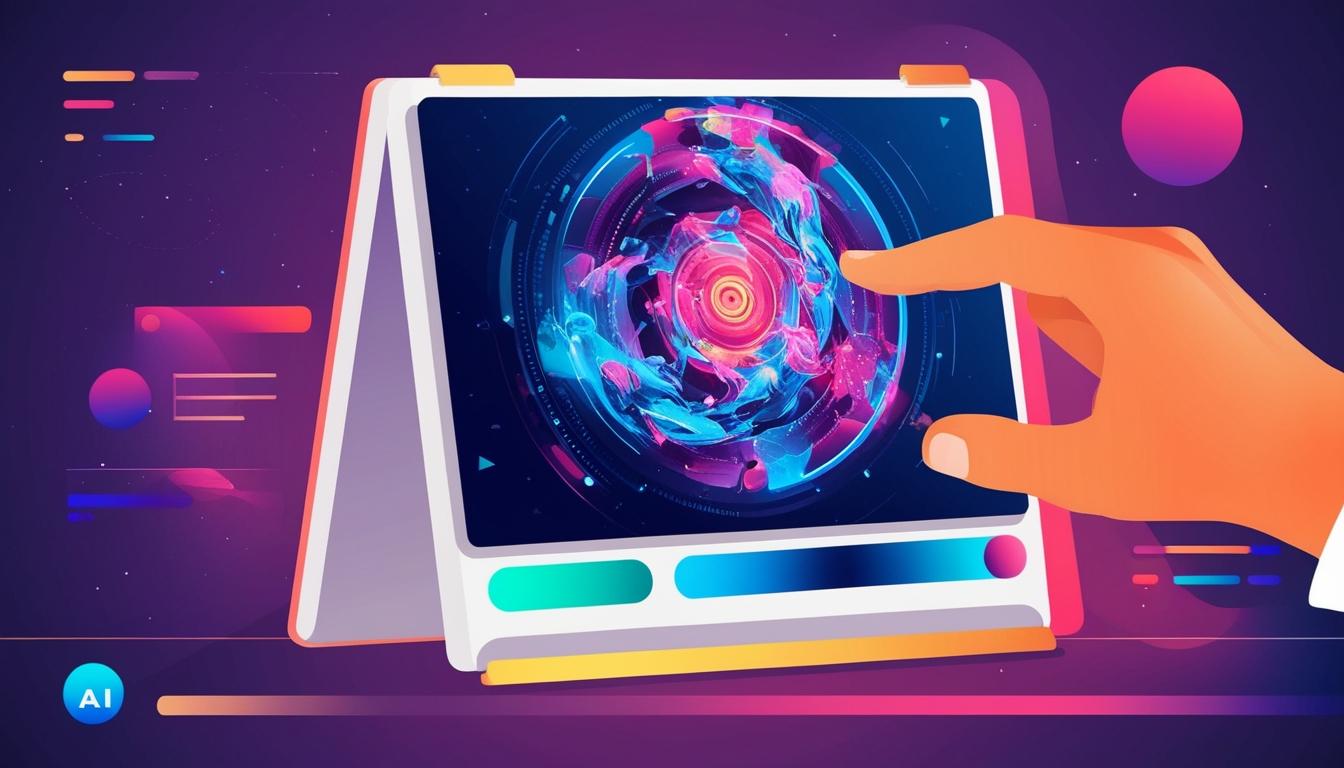
As generative AI transforms the art world, the essential role of human input ensures that creativity remains a collaborative effort between man and machine.
The Role of Humans in the Evolution of Generative AI Art
In recent years, generative AI has made remarkable strides in various fields, with the realm of art being one of the most dynamically transformed areas. However, despite the impressive capabilities of these technologies, humans continue to play a crucial role in AI art, albeit in ways that might not align with traditional expectations.
Generative AI, powered by sophisticated algorithms and vast datasets, can produce art in a multitude of styles, mimicking human creativity with impressive precision. These AI systems analyse existing works of art, learning patterns and techniques that they then utilise to create new pieces. Nonetheless, the human touch remains irreplaceable in this advanced artistic process.
Rachel Ossip, a researcher in the field, emphasises that while generative AI can generate art, it does so under the guidance and influence of human input. The process of creating AI art is initiated and curated by individuals who not only guide the AI systems but also determine the scope and aesthetic parameters of the final output. These human curators select the datasets, fine-tune algorithms, and decide on the direction and intent of the creative process, ensuring that human vision and creativity remain at the forefront.
Moreover, artists and technologists collaboratively engage in the intricate process of training AI models, providing them with a framework of style, emotion, and expression. This symbiotic relationship explores new horizons in art, pushing the boundaries of what is conventionally understood as creativity.
The interaction between humans and generative AI also opens discussions about the authorship and ownership of AI-produced works. As these systems learn and evolve, the distinction between human and machine creation blurs, raising questions that challenge traditional notions of art creation and copyright laws.
As generative AI continues to grow in capabilities, its integration into the art world signifies a shift in how art is produced and perceived. Yet, it is important to recognise that humans remain integral to this evolution, orchestrating and shaping a new era of creativity that fuses technological innovation with human ingenuity.
This collaboration between humans and machines heralds a novel chapter in art history, where the boundaries of creativity are continuously expanded and redefined. Through this technological synergy, artists and AI collectively embark on creating diverse and innovative expressions, underscoring that, despite the advancement of AI, the human element remains indispensable.
Source: Noah Wire Services







