






A new survey from Coursera highlights differing perceptions on AI usage between UK university students and educators, revealing both the potential benefits and concerns over academic integrity.
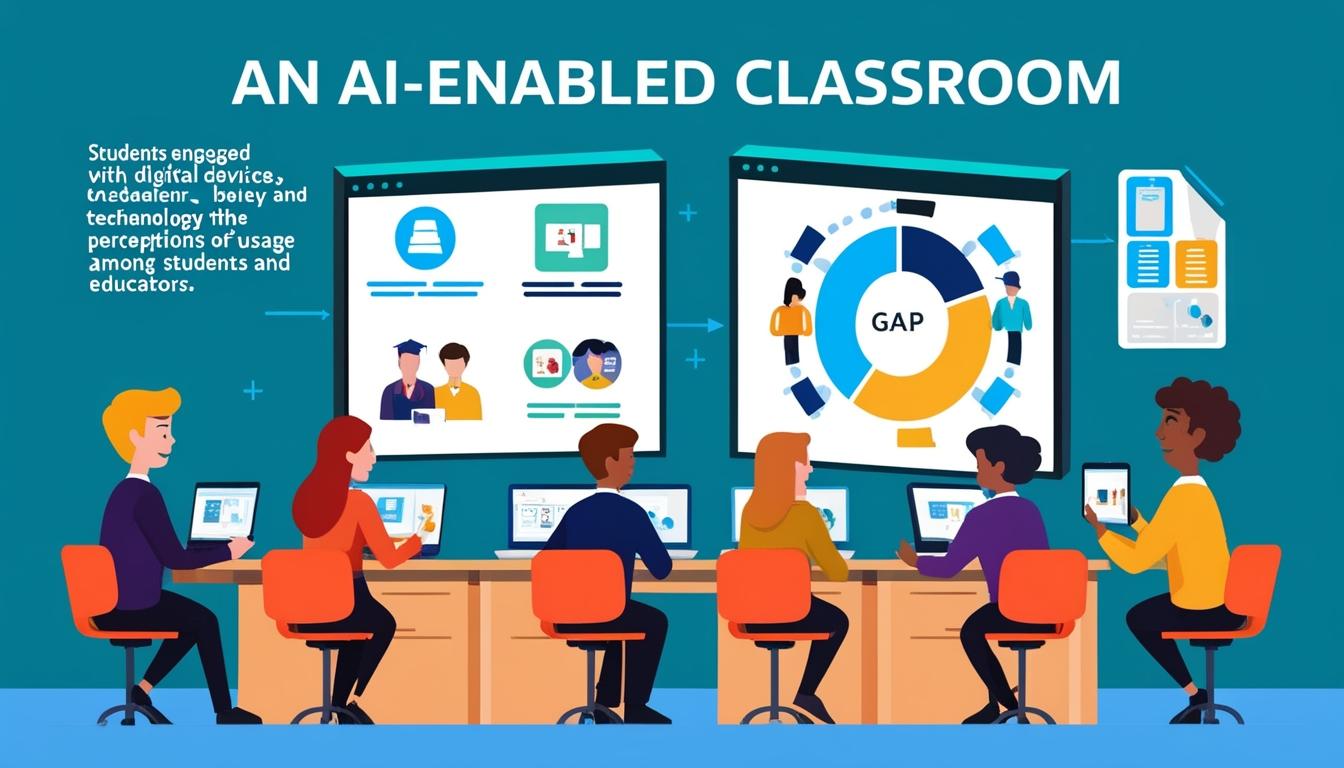
A recent survey conducted by Coursera has unveiled a gap in perceptions between UK university students and educators regarding the use of artificial intelligence (AI) in academic settings. The study, which surveyed 1,000 students and 500 educators, reveals a disparity between how much educators believe students are relying on AI and the actual usage reported by the students themselves.
According to the findings, educators estimate that students are using AI for approximately 43% of their academic tasks. However, students report a significantly lower usage rate, claiming to use AI for about 24% of their studies. Additionally, more than one in five students (21%) reported they do not utilise AI in their studies at all.
Despite the lower than expected usage figures, students cited various ways AI benefits their education. Many use the technology for research purposes (56%), exam preparation (43%), and content creation tasks such as essays and assignments (39%). Notably, over half of the student participants (52%) reported an improvement in their academic performance attributed to AI usage, with 8% indicating substantial improvements.
The positive sentiment surrounding AI in higher education extends to both students and educators. A significant majority of educators (85%) and students (67%) recognise AI’s beneficial impact, particularly in areas like personalised learning, increased productivity, and enhanced support. Educators, however, tend to have a more optimistic view; 72% believe AI has improved the quality of higher education, compared to only 44% of students.

Concerns over academic integrity remain, with less than half (48%) of educators mentioning the presence of an AI management policy at their institution. A large proportion of both educators (74%) and students (68%) are anxious that AI, without adequate regulations, could potentially undermine the credibility of university degrees. More than half of the students (54%) and an even higher percentage of educators (70%) feel AI has simplified passing exams, casting doubts on whether its unauthorised use should be classified as cheating. Notably, 1 in 10 students admitted to submitting AI-generated work undisclosed, while 38% of educators have noted an uptick in AI-generated submissions in recent months.
The survey also highlighted the necessity for improved skills to harness the full potential of AI technologies. Almost half of the educators surveyed (48%) admitted to using AI frequently for tasks such as drafting correspondence, setting work, and planning lessons. However, only 37% feel their colleagues possess the necessary skills to use AI effectively. Among students, 33% believe AI use prepares them for future workplaces, yet 23% indicated a better understanding of the technology would increase their usage.
The integration of AI literacy into education remains incomplete, as only 42% of educators report that their institutions have included AI competency programmes in their curriculum. This gap underscores the need for universities to invest in comprehensive AI literacy programmes to equip students with necessary competencies for a tech-driven future workforce.
Marni Baker Stein, Chief Content Officer at Coursera, expressed that while AI is yielding beneficial outcomes such as enhanced student performance and heightened educator productivity, a clear misunderstanding exists regarding its usage by students. She emphasized that restrictive policies based on misconceptions may emerge. Instead, she advocates for the development of clear guidelines and AI literacy initiatives to maintain academic integrity while preparing students to effectively use AI in their professional lives.
Source: Noah Wire Services







