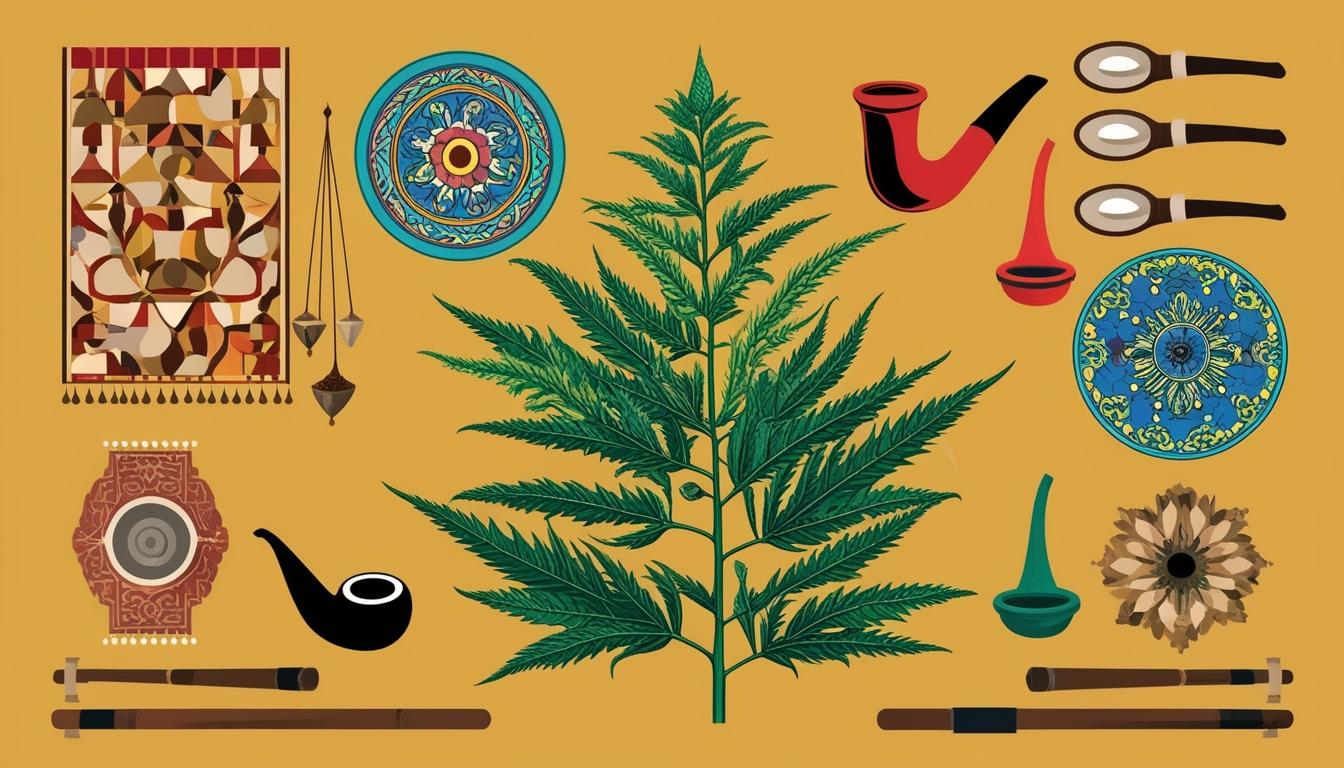

From Harmal to opium, this article delves into the rich tapestry of ancient drug use, revealing its medicinal and spiritual significance across various cultures throughout history.
Ancient Drug Use: A Historical Overview of Substances from Millennia Past
The use of psychoactive substances is often portrayed as a contemporary issue, spotlighted by ongoing global drug wars and debates around drug legality. However, it is a practice that dates back millennia, with archaeological findings and historical texts indicating that several modern drugs have ancient origins. Cultures across the world have utilized these substances for various purposes, from medicinal uses to spiritual experiences, long before they became subjects of contemporary discourse.
Harmal: A Legacy of the Andean, Iranian and West Indian Cultures
Harmal, a plant native to regions including West India, Iran, and the Andes, has been associated with ancient ritualistic use. Recently discovered in archaeological sites in Northern Chile, Harmal was found in the hair of mummified remains dated between 800 and 1200 AD. These remains, including those of an adult male accompanied by snuffing trays and pipes, suggest that Harmal might have been consumed as part of ceremonial practices. The plant produces a chemical called Harmine through a process of distillation, known for its antidepressant properties and its ability to enhance the effects of other antidepressants. Today, Harmal seeds are still accessible and are commonly found in Iranian and Middle Eastern grocery stores.

Cannabis: From Ancient Asia to Modern Legalisation Debates
Cannabis finds its origins in ancient Central and South Asia. Evidences such as a 2,700-year-old Chinese grave suggest the plant’s usage as a psychoactive substance in antiquity, with approximately 789 grams found in a shaman’s tomb. Historically, cannabis was cultivated both for its psychoactive properties and for its strong hemp fibers. It was used in spiritual contexts and as a painkiller by cultures such as the Sikhs. Over time, as cannabis became the centre of legal and medical discussions, some regions have approved its medical use, recognizing its efficacy in treating glaucoma and stimulating appetite for certain conditions.
Nutmeg: More Than a Culinary Delight
The humble spice nutmeg, now a staple in kitchens worldwide, has a long history as a recreational drug in ancient Indian and Asian cultures. Traditionally used for its purported magical properties, nutmeg was also applied in treating ailments like asthma and heart conditions. However, it is potent and can cause severe side effects if consumed in large doses. Careful moderation is advised, especially since it is so readily available in markets everywhere.
The Coca Leaf: Ancient Mayan Stimulant
The coca leaf has been part of Mayan tradition, chewed and brewed into teas to harness its stimulating effects. It boasts significant nutritional benefits, providing essential vitamins and minerals, and served similar roles long before the advent of coffee. The coca leaf remains part of the cultural landscape in places like Medellin and other parts of South America, celebrated for its cultural and physiological attributes.
Psilocybin: The ‘Magic Mushrooms’ of Ancient Cultures
Known today as ‘magic mushrooms,’ psilocybin has a rich history dating back to 9000 to 7000 BC in the Saharan Desert and Central and South American traditions. Used in spiritual contexts for the hallucinations they provoke, these mushrooms were believed to offer visions that could inspire cultural and religious development. Modern enthusiasts often grow “magic mushrooms” on cattle dung, and they are commercially available in specific locales such as some regions of the Netherlands and Belgium.
Opium: From Ancient Pain Relief to Modern Concerns
The long and storied history of opium starts with the Sumerians in 3400 BC. Utilised by many ancient civilisations including Romans and Egyptians, opium derived from the poppy flower’s latex, was historically used for regulating pain, inducing sleep, and even enhancing libido. This ancient drug remains a concern today as its derivatives, such as heroin, contribute to ongoing issues in global drug policy.
Blue Lotus: Egypt’s Favourite Flower
Favoured by ancient Egyptians, the Blue Lotus flower has been known to induce feelings of relaxation, talkativeness, and in some cases, euphoria. Traditionally the flowers were brewed in teas or soaked in alcohol to enhance their psychoactive potency. It was suggested by Homer in The Odyssey that consumption resulted in mental lethargy. The modern availability of Blue Lotus on various online platforms indicates its enduring appeal.
Through millennia, these substances have played varied roles in cultures around the world. From providing medicinal benefits to aiding in spiritual ceremonies, the historical use of these drugs underscores the complex relationship between humanity and psychoactive substances. While the debate over drug use and legality continues, these ancient practices offer a rich tapestry of context and history.
Source: Noah Wire Services