






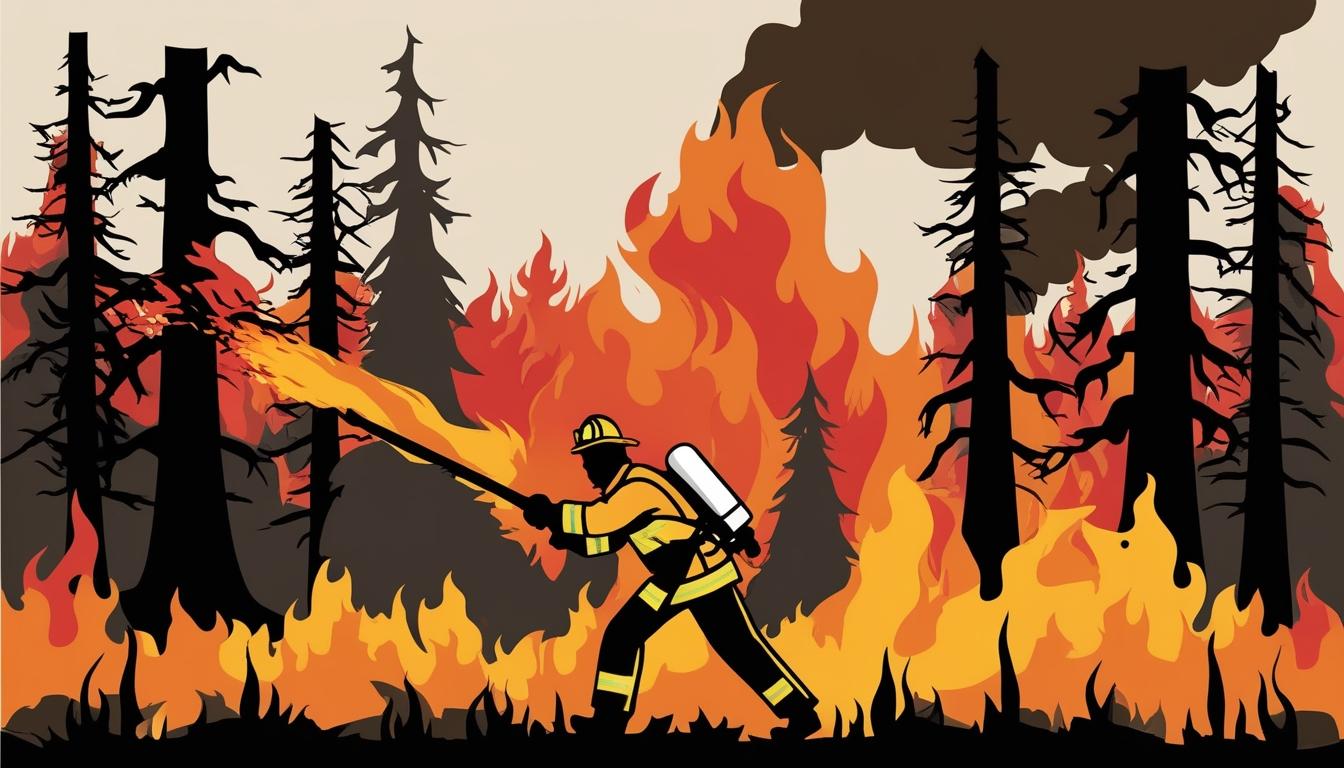

California is facing devastating wildfires, with communities evacuated and ecological damage mounting, prompting urgent firefighting efforts and discussions on long-term solutions.
Wildfires Ravage California: A Closer Look at the Impact
California, known for its natural beauty and diverse landscapes, is currently facing a series of devastating wildfires that have captured national attention. These fires, which began earlier in the summer, have been exacerbated by prolonged drought conditions and extreme heat, leading to widespread destruction and challenging firefighting efforts.
The ongoing wildfires have primarily been concentrated in the northern and central parts of the state, with significant incidents reported in areas such as the Plumas, El Dorado, and Lassen counties. Among the most significant of these blazes is the Dixie Fire, now recorded as California’s second-largest wildfire in history. The fire has so far consumed hundreds of thousands of acres, devastating communities and wildlife habitats in its path.
Authorities have reported that thousands of residents have been forced to evacuate their homes, seeking refuge in temporary shelters set up by local governments and aid organisations. These evacuations have posed significant logistical challenges, given the scale of the population displacement and the ongoing risk posed by the fires.

In response to the crisis, more than 10,000 firefighters have been deployed across the state, working tirelessly to contain the fires. The California Department of Forestry and Fire Protection (CAL FIRE) has been at the forefront, coordinating with federal agencies and employing air tankers, helicopters, and ground crews in an extensive firefighting effort. Despite their dedication and the use of advanced technology, containment has been difficult due to the rugged terrain and unpredictable winds.
Environmental officials have also expressed concern over the ecological impact of these wildfires. Large swathes of forest have been destroyed, which could lead to long-term ecological disturbances including the loss of biodiversity and increased susceptibility to future fires. Moreover, the fires have resulted in significant emissions of carbon dioxide, contributing to the very climate change effects that make such severe weather events more likely.
The human impact has been equally substantial, with reports of lost homes and infrastructure. Additionally, there have been instances of power outages affecting tens of thousands of residents due to damage to the electrical grid. Recovery from such devastation is expected to take significant time and resources, with communities rallying together to support those in need.
In terms of causes, investigations are ongoing, although initial reports suggest that a combination of natural and human factors, including lightning strikes and possibly inadequate land management, have played a role.
As California continues to grapple with these challenges, state and federal leaders are deliberating on long-term strategies to mitigate wildfire risks. These include potential changes to zoning laws, increased funding for forest management, and advancements in predictive technology to better forecast and prevent such disasters.
The situation remains dynamic, with firefighters continuing their efforts and evacuees hoping to return to their homes as soon as it is safe to do so. The economic and emotional toll on Californians is considerable, and the coming months will be critical in both overcoming the immediate fires and planning for a safer future.
Source: Noah Wire Services







