






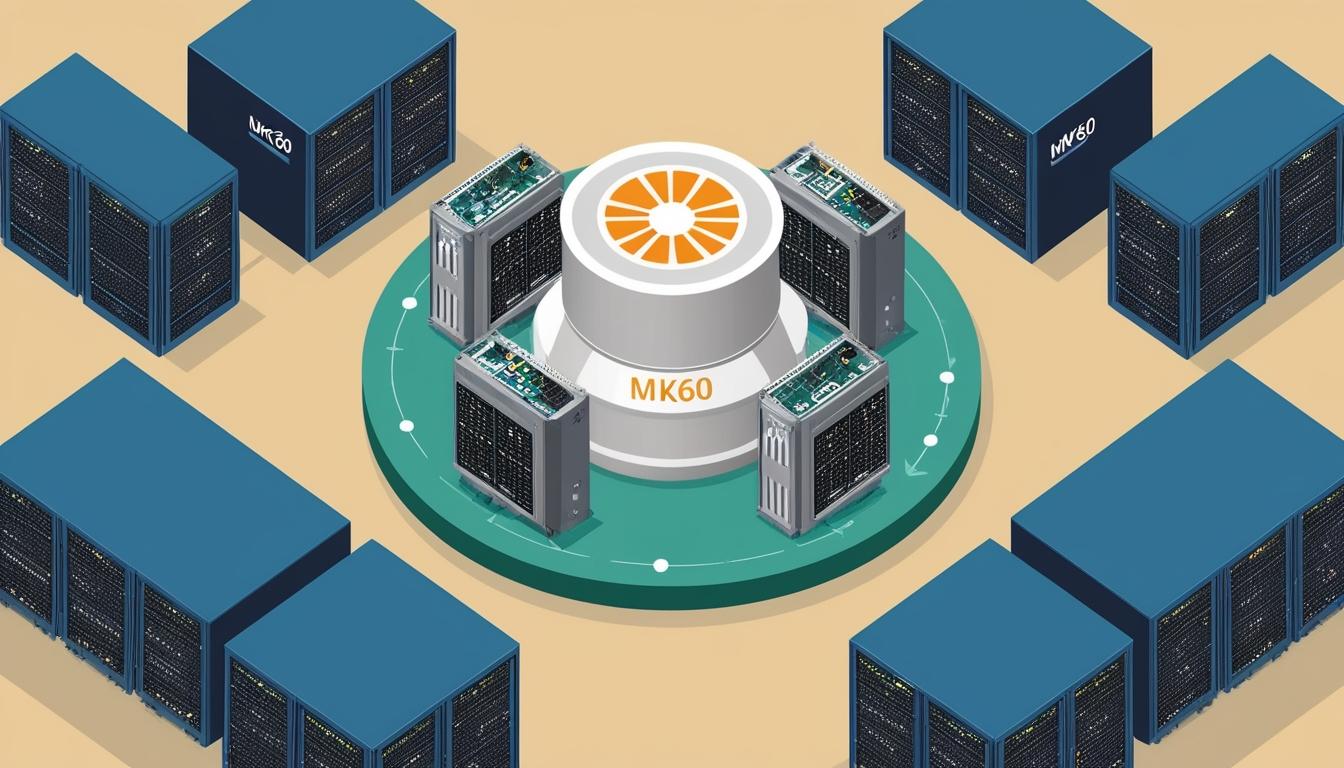

Deep Atomic, a Zurich-based startup, introduces the MK60 small modular reactor, designed to meet the energy demands of data centres while promoting sustainability and energy efficiency.
Deep Atomic, a nuclear energy startup based in Zurich, has entered the spotlight by unveiling its plan to introduce a small modular reactor (SMR) specifically designed to power data centres. Named the MK60, this light water reactor presents a compact, scalable solution to meet the burgeoning energy demands of the digital age, particularly in light of the increased power requirements posed by expanding cloud services, cryptocurrency operations, and AI applications.
The MK60 reactor is a strategic initiative by Deep Atomic, designed to produce up to 60 megawatts (MW) of electricity with an additional 60MW available for cooling purposes, an element particularly critical for data centre operations. This contrasts with the larger 300MW SMRs typically seen in the industry. The choice of a smaller capacity allows for greater modularity, reducing both the upfront cost and the risks associated with larger power plants.
Deep Atomic emphasizes that its reactors provide a ‘firm energy’ solution—offering reliable and continuous power independent of weather conditions or grid instability—thereby addressing the dual challenge faced by data centre operators: energy supply and heat management. By harnessing waste heat for cooling, the MK60 design significantly enhances energy efficiency.
Freddy Mondale, Deep Atomic’s head of engineering, highlighted the compact modular design as fitting for data centres, allowing operators to deploy reactors in ideal locations without overburdening the existing energy grid. This model can also support scalability, facilitating installation from a single 60MW unit to a series capable of generating over one gigawatt (GW) to accommodate future growth in energy demands.

Startup founder and CEO, William Theron, underlined the importance of clean energy solutions for data centres, noting the significant carbon footprint associated with their energy consumption. The MK60 aims to provide sustainable, zero-carbon electricity, aligning with the increasing sustainability targets set by tech giants.
Deep Atomic’s team comprises professionals from various backgrounds, including former Google engineers and experts from nuclear, mechanical, and electrical sectors. The company is collaborating with regulatory bodies and potential clientele to ensure that the integration of its reactors into the digital infrastructure proceeds smoothly.
The unveiling of the MK60 occurs amidst a wave of similar strategic moves by major technology companies. Notably, Google has inked a deal with nuclear startup Kairos Power, while Amazon Web Services has reached agreements with Dominion Energy and X-energy to secure 620MW of generation capacity from SMRs. Oracle is planning to utilise power from three SMRs to support its expansive new AI data centre.
The revival of nuclear energy by these tech companies signifies a broadening quest for reliable and sustainable energy to fuel the growing demands of the digital economy. However, this shift is not without its challenges. Questions linger around the cost implications, potential regulatory hurdles, and the readiness of advanced reactor technologies.
Further, advancements in reactor technology face hurdles such as the reliable supply of high-assay low-enriched uranium (HALEU), necessary for many advanced reactors, with current supplies largely dependent on Russian imports—a challenge compounded by recent geopolitical developments.
As technology firms expand their infrastructure, demand for energy is set to rise significantly, pushing traditional energy models to adapt. Companies like Amazon are exploring deep investments in nuclear energy, with the goal of aligning data centre expansions with carbon neutrality targets.
The shift towards nuclear energy reflects broader industry trends, as utility companies and technology sectors seek round-the-clock, carbon-free power amidst an evolving energy landscape driven by regulatory pressures and shifting consumer expectations. Despite the myriad challenges and criticisms directed at nuclear energy initiatives, the recent influx of support and investment by technology powerhouses suggests a burgeoning interest in nuclear power as a potential cornerstone of future energy strategies.
Source: Noah Wire Services







