





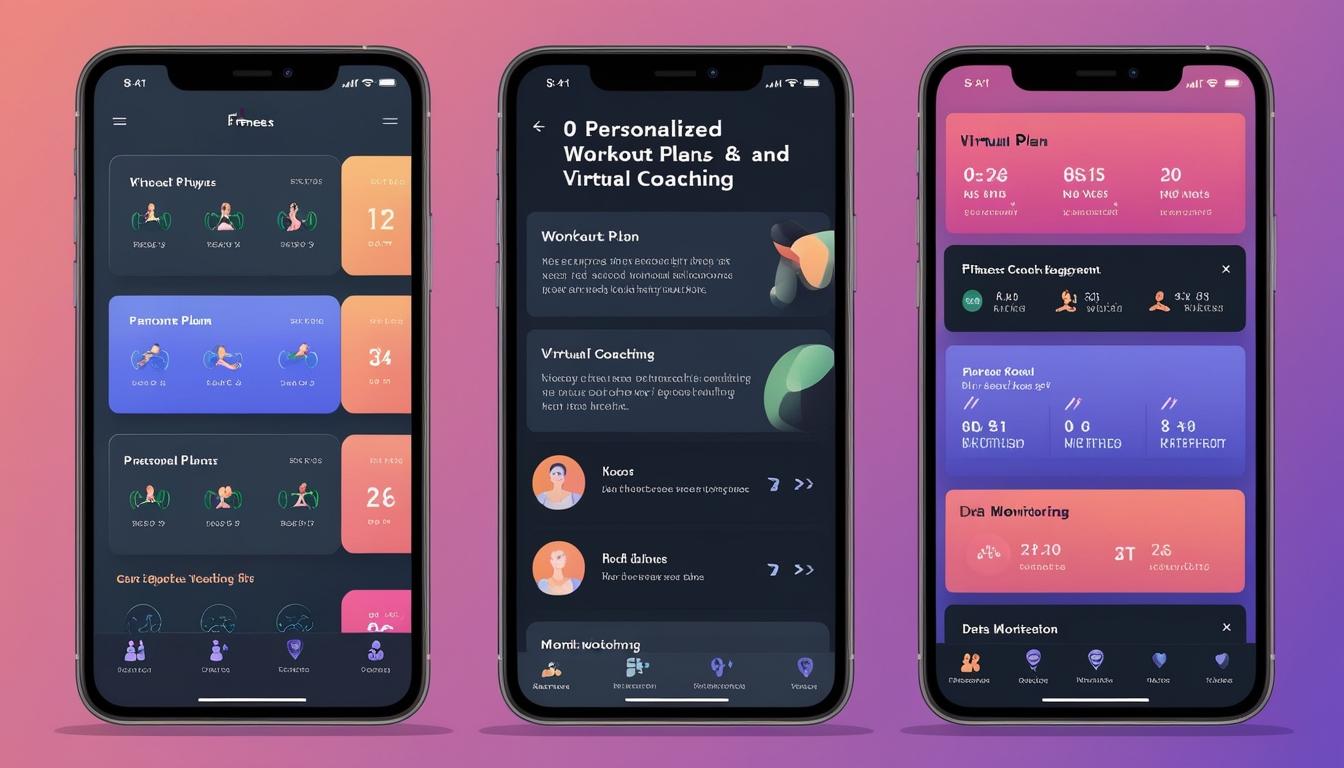

The integration of artificial intelligence into fitness applications is transforming health and fitness, creating personalised experiences and enhancing user engagement through innovative technologies.
AI Revolutionises Fitness App Development: Enhancing User Experience and Results
The integration of artificial intelligence (AI) into fitness applications is significantly transforming the landscape of health and fitness, offering novel approaches that were previously unimaginable. Whether it is a tech company exploring new horizons or a fitness business aiming to enhance user engagement, the introduction of AI into fitness apps is paving the way for more personalised, efficient, and engaging user experiences.
Personalised Workout Plans
One of the most notable contributions of AI in fitness applications is the creation of personalised workout routines. These routines are distinct from the traditional one-size-fits-all approach. By analysing comprehensive user data, including fitness goals, body composition, exercise history, and progress, AI can craft customised workout plans. These tailored plans adapt as users evolve, ensuring that individuals remain challenged at their level, promoting consistent improvement without causing overwhelm.
Virtual Coaching Through AI
AI in fitness has extended beyond conventional gym settings by introducing AI-powered virtual trainers. These trainers replicate the experience of having a personal coach by using computer vision and motion analysis. They monitor users’ workouts, offering real-time feedback on aspects like form, posture, and technique. Whether it’s refining a squat or perfecting a yoga pose, AI helps ensure exercises are performed correctly and safely, minimising injury risks and maximising the efficacy of workouts.

Nutritional Guidance and Meal Planning
AI doesn’t stop at fitness routines—it also plays a crucial role in nutrition and meal planning within apps. By assessing user fitness goals and dietary preferences, AI generates personalised meal plans. These plans strategically balance macronutrients and caloric intake to complement the user’s workouts. Furthermore, innovative features like AI-powered image recognition simplify meal logging, allowing users to track food intake effortlessly.
Real-Time Data Monitoring
Integration with wearable technology allows fitness apps to gather extensive real-time data about users’ physical activities. AI meticulously analyses this data, offering insights into users’ health metrics, such as heart rate and calorie expenditure. It can also provide immediate feedback on performance, suggesting necessary adjustments for optimal results and ensuring a dynamic and informative fitness experience.
Behavioural Analysis and Motivation
A notable challenge in fitness is maintaining motivation. AI addresses this by analysing behavioural patterns, predicting when motivation may wane, and offering incentives like motivational messages or adjusted workout plans to reignite user interest. Through gamification, such as challenges and achievements, AI can make fitness pursuits more engaging and enjoyable.
Hands-Free Interactions
For enhanced user convenience during workouts, AI enables voice and gesture recognition, facilitating seamless app interaction. Whether changing music, altering workout settings, or switching routines, users can manage their fitness app without manual interruption, making the experience more fluid and user-friendly.
Preventing Injuries Through Predictive Analytics
AI’s predictive capabilities are transformative in injury prevention. By evaluating past workout data and real-time performance, AI can identify patterns indicating fatigue or potential injury risks, suggesting rest or modified regimes to preclude strain and encourage optimal recovery and performance.
Building a Fitness Community
AI extends its capabilities to fostering a sense of community within fitness apps. By evaluating user preferences and behaviours, AI recommends suitable fitness groups, challenges, or training partners, promoting a supportive and socially engaging fitness environment.
Expanding to Mental Wellbeing
Fitness apps are beginning to address mental health, with AI analysing stress levels and emotional states via voice and facial cues. This analysis leads to holistic health recommendations, incorporating meditation or mindfulness along with physical exercises, aiming for a balanced development of mind and body.
Conclusion
As technology evolves, AI’s role in fitness apps is set to grow, making these platforms more user-centric, efficient, and comprehensive. The integration of AI offers a dynamic approach to fitness, promising an intelligent and seamless fitness journey that caters to both physical and mental wellbeing.
Source: Noah Wire Services







