






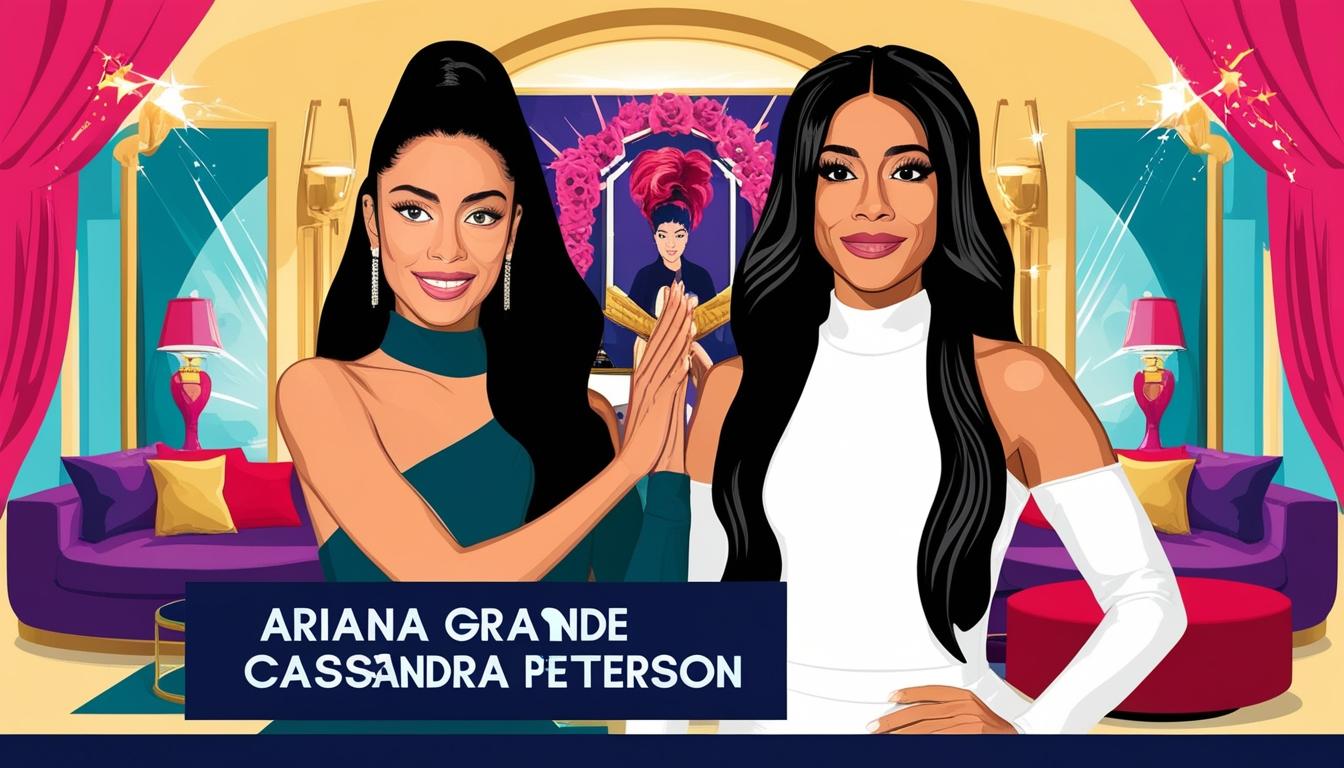

Pop star Ariana Grande apologises to actress Cassandra Peterson over a meet-and-greet snub, while also addressing the ethical dilemmas surrounding AI-generated fan content.
Ariana Grande Addresses Elvira Snub and AI Controversies: A Tapestry of Online Drama and Celebrity Culture
In a recent twist of events blending Hollywood glamour, online debates, and technology, pop sensation Ariana Grande publicly apologised to actress Cassandra Peterson, famed for her role as the horror icon, Elvira, Mistress of the Dark. The apology came after Peterson alleged a snub during a meet-and-greet session that occurred several years ago.
The incident, which Peterson recounted at a panel, involved Grande attending one of Peterson’s shows with several of her relatives. After receiving tickets, pictures, and autographs from Peterson, Grande reportedly left before posing for a picture, a usual quid pro quo gesture expected among celebrities. What left fans and onlookers abuzz was Grande’s Instagram response, where she claimed her abrupt departure was due to an anxiety attack, a condition exacerbated by the Manchester concert terrorist attack’s aftermath.
Grande expressed her regret on Peterson’s Instagram post, stating, “I’m so disheartened to see this. I didn’t even remember meeting you because that period was so hazy for me.” She continued with, “If I’m misremembering this moment, I sincerely apologise for offending you.” With a warm sign off, she assured Peterson of her continued admiration, calling her “our queen of Halloween.” This candid response was notable not just for its apology but also for providing insight into Grande’s post-traumatic stress from the terror attack, highlighting the often invisible burdens celebrities carry.
The video capturing Peterson’s account went viral, fuelled by a quip likening Grande’s perceived snub to her role as Glinda, the Good Witch, in the forthcoming film adaptation of the renowned musical, Wicked. This role positions Grande in a new light, branching into her upcoming filmography alongside Cynthia Erivo, who portrays Elphaba.
However, the publicity surrounding Wicked has itself not been devoid of controversy. AI-generated fan edits of the film’s promotional material have sparked discussions regarding the ethical boundaries of digital creativity. One instance saw a playful yet controversial depiction of Grande and Erivo’s characters embroiled in a fantastical battle, which some audiences construed as tasteless.
Cynthia Erivo expressed her disapproval of the AI-generated posters, which she felt degraded her. “None of this is funny,” Erivo commented. Echoing her sentiments, Grande remarked on the complexity of AI-induced fan edits during an event at the Academy Museum Gala in Los Angeles. “AI is so conflicting and troublesome sometimes… It’s a massive adjustment period,” she stated, acknowledging the conflicting amusiveness and invasiveness of such technology.
As Wicked’s promotional activities intensify, these debates underline a broader narrative concerning celebrity privacy, fan interaction, and evolving technologies’ implications in a digital age that continuously blurs personal and public boundaries.
Directed by Jon M. Chu, the Wicked adaptation is highly anticipated for its exploration of the untold stories of Oz’s seminal witches. It stands as a mammoth project with potential to reshape perceptions around blockbuster adaptations and how they are digitally represented in fan communities. As Grande and Erivo gear up for the dual release of this iconic tale, it is clear that both the intersection of stardom and technology and how they navigate personal interactions remain significant discussion points in modern celebrity culture.
Source: Noah Wire Services







