





A week of significant advancements highlights how major technology firms are integrating AI into creative processes and autonomous vehicles, shaping the future landscape of industries.
In a significant week for advancements in artificial intelligence and robotics, major technology companies made substantial announcements that highlight AI’s growing presence in various sectors. This surge of innovation underscores AI’s pivotal role in shaping the future of technology.
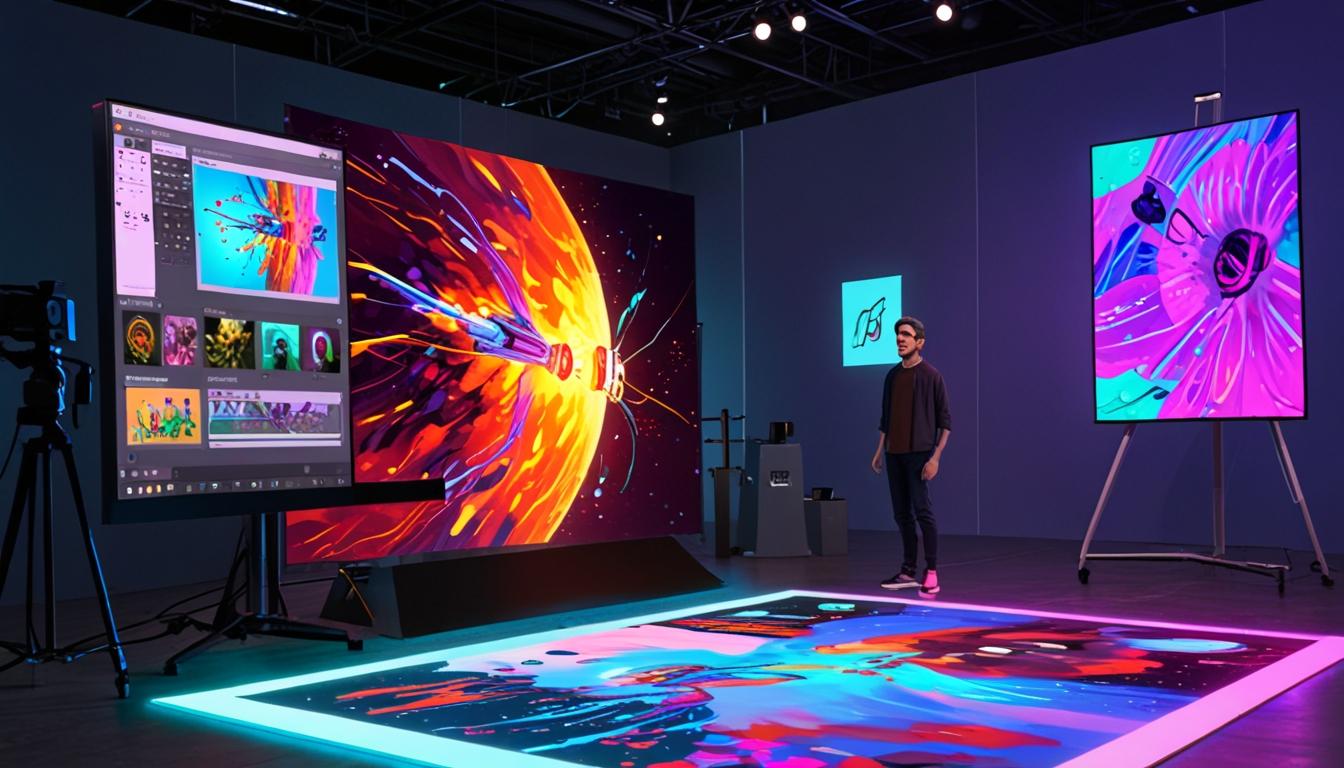
At Adobe’s annual MAX conference in Miami, the focus was squarely on creative innovation. Adobe unveiled a series of AI-powered tools across its Creative Cloud suite, offering enhancements that promise to streamline the creative process for professionals. Notably, Adobe introduced new features in Photoshop, such as Automatic Image Distraction Removal and a Generative Workspace, designed to facilitate quicker brainstorming and concept development.
A key highlight from Adobe’s lineup is the introduction of the Firefly Video Model, made available in a public beta. This new “commercially safe” generative video model allows users to create video content from text prompts directly within Adobe’s renowned Premiere Pro editing software. The model also supports the extension of video clips, addressing a common challenge faced by editors seeking to fill timeline gaps seamlessly. While text-to-video and image-to-video features are currently restricted to resolutions of 720p and clip lengths of up to five seconds, the potential applications for video editing professionals are substantial.
Simultaneously, Meta introduced a groundbreaking AI model named Movie Gen. This model demonstrated the capability to generate coherent video sequences directly from text prompts, complete with matching audio elements. The AI can also be utilised for editing existing videos and creating new content from still images.

In a different sphere, Tesla showcased its latest developments in autonomous vehicle technology at the ‘We, Robot’ event in Los Angeles. Presenting an array of 20 new autonomous vehicle prototypes, including the Cybercab and Cybervan, these models notably lack traditional control features like steering wheels or pedals. Tesla also exhibited its humanoid robots, known as Optimus, actively interacting with attendees, highlighting the company’s continued push towards integrating AI and robotics into everyday life.
These announcements, alongside developments from companies like OpenAI and Amazon, signal a significant week for AI and robotics, showcasing how these technologies are not only evolving rapidly but also becoming integral parts of creative and technological workflows. The developments illustrate how AI models are continuing to push boundaries, offering new tools and potentials for industries ranging from content creation to autonomous transportation.
Source: Noah Wire Services







