

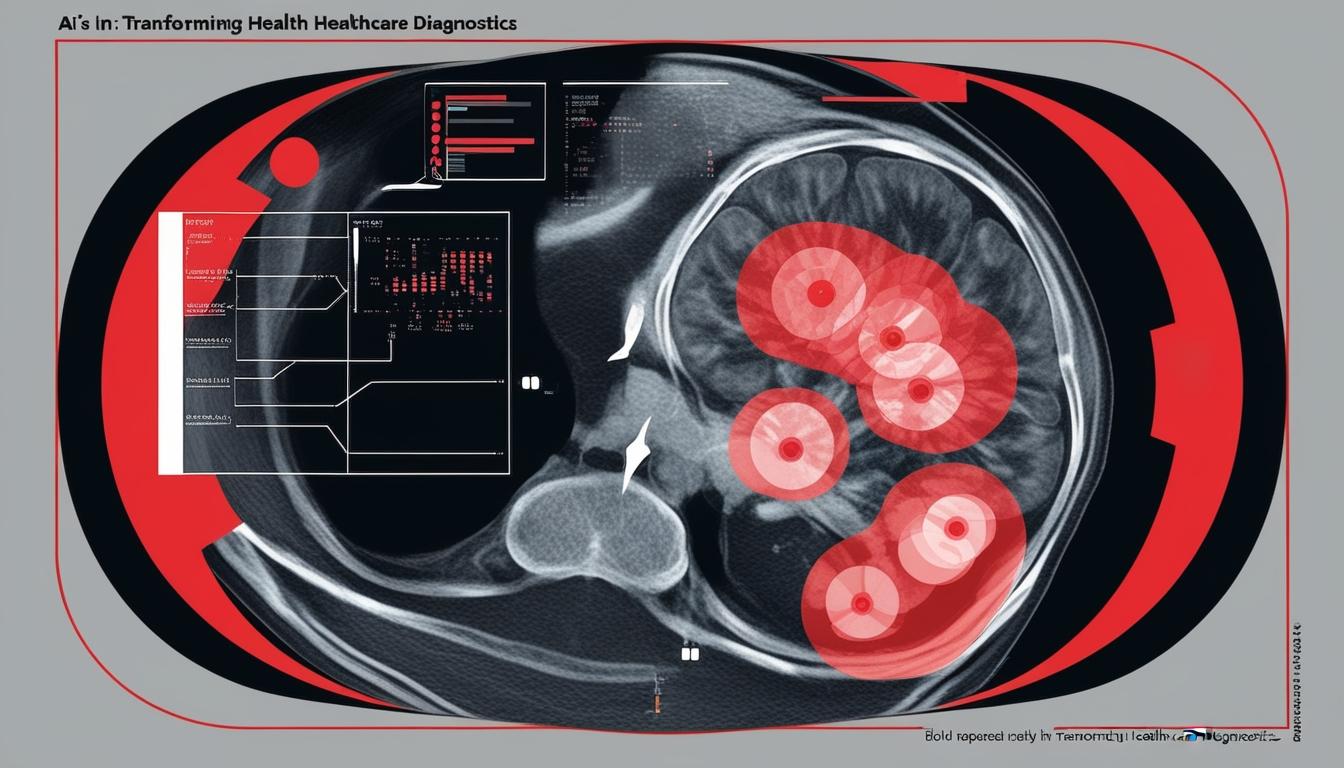
As the healthcare landscape evolves, the importance of data annotation grows, providing essential support for AI-driven diagnostic and treatment solutions.
In the rapidly evolving landscape of healthcare, the importance of data has reached unprecedented levels, underpinning diagnostic methods and personalised treatment options. According to the London Daily News, the foundation of these modern innovations hinges on medical data annotation, a critical process that transforms raw data into valuable insights through systematic labelling and categorisation.
Medical data annotation involves structuring healthcare data to enhance its intelligibility for machine learning models. This data can encompass electronic health records (EHR), medical images, pathology reports, and more. Properly annotated data equips AI algorithms to recognise patterns, anomalies, or correlations, which might otherwise remain undetected within unstructured data formats.
For example, annotators meticulously delineate tumours in imaging studies such as X-rays or CT scans to train AI systems adept at identifying cancer. Similarly, data annotation services classify text-based EHR data to bolster AI models in diagnosing conditions or recommending treatments. Therefore, accurate labelling is not merely procedural; it forms the backbone of AI-driven healthcare advancements.
The applications of medical data annotation span various sectors within healthcare, significantly enhancing operational efficiencies and patient outcomes. Notable applications include:
-
Medical Imaging Analysis: Annotated X-rays, MRIs, and CT scans train AI models capable of detecting ailments like fractures, neurological disorders, or cancer, offering radiologists essential second opinions or highlighting critical areas of concern.
-
Natural Language Processing in Healthcare: With vast amounts of unstructured text data available—including doctor’s notes and patient records—Natural Language Processing (NLP) serves as a vital tool. Data annotation facilitates the training of NLP models to extract essential information such as symptoms, diagnoses, or prescriptions.
-
Drug Discovery and Research: Pharmaceutical entities leverage annotated datasets to expedite drug discovery initiatives. Annotating molecular data or clinical trial findings allows machine learning algorithms to anticipate drug effectiveness and pinpoint potential side effects.
-
Robotic Surgery and Precision Medicine: Advanced AI systems utilised in robotic surgery depend on annotated data for precision. Furthermore, annotated genetic information plays a crucial role in formulating personalised treatment plans tailored to individual genetic profiles.
-
Disease Outbreak Monitoring: Annotation of epidemiological data enables AI systems to predict and monitor disease spread, which is critical for organising timely responses during outbreaks.
Despite its promise, medical data annotation faces inherent challenges, largely stemming from the complexity and sensitivity of healthcare data. Key issues include:
-
Data Privacy and Compliance: The handling of medical data is heavily regulated under laws like HIPAA and GDPR, detailing strict compliance requirements that complicate annotation processes.
-
Domain Expertise Requirement: Effective medical data annotation necessitates annotators with a profound understanding of medical terminology and practices, often requiring the involvement of specialists such as pathologists and radiologists.
-
High-Quality Data Needs: The accuracy of AI systems is contingent on the quality of the annotated data. Errors or inconsistencies in annotations may compromise AI predictions, which is especially critical in healthcare applications.
-
Time and Cost Constraints: Medical data annotation is typically labour-intensive and consumes considerable time, representing a significant cost for healthcare organisations.
To ensure effective medical data annotation and overcome these challenges, several best practices can be implemented:
-
Involving Medical Experts: Collaborating with healthcare professionals is vital in enhancing the accuracy and reliability of data annotations, benefiting from their domain knowledge.
-
Working with Advanced Annotation Tools: The utilisation of AI-assisted annotation tools can streamline the process, reducing the time required for extensive projects while integrating features such as labelling and automated segmentation.
-
Establishing Clear Guidelines: Consistency in data annotation can be achieved by providing annotators with comprehensive guidelines and examples, thus minimising errors and ensuring uniformity throughout datasets.
-
Quality Assurance Processes: Robust quality assurance mechanisms should be instituted to identify and rectify errors in annotations before they impact AI model training. This may involve cross-validation by multiple annotators or periodic reviews conducted by domain experts.
-
Ensuring Data Security: Compliance with data protection regulations and utilising secure platforms for annotation is essential to safeguard the confidentiality of sensitive medical information.
Looking ahead, the significance of medical data annotation is poised to grow as artificial intelligence continues to transform the healthcare sector. Upcoming technologies such as federated learning and blockchain could potentially address existing challenges related to scalability and data privacy. Additionally, advancements in automation and machine learning efficiency are expected to streamline the annotation process further.
Entities that engage with data annotation specialists today will not only facilitate innovative healthcare solutions but also pave the way for a future characterised by enhanced personalised, accurate, and accessible medical care.
Source: Noah Wire Services
- https://learningspiral.ai/how-data-annotation-companies-elevate-medical-data-for-enhanced-healthcare-solutions/ – This article highlights the importance of data annotation in healthcare, particularly in training AI models for diagnosis and treatment planning.
- https://imerit.net/blog/medical-data-annotation-and-the-future-of-healthcare/ – It discusses the role of medical data annotation in enhancing AI model performance and its impact on healthcare applications such as medical imaging and clinical documentation analysis.
- https://www.ayadata.ai/medical-data-annotation-key-to-healthcare-innovation/ – This resource emphasizes the critical role of medical data annotation in transforming raw healthcare data into structured insights for AI systems, enhancing patient care and outcomes.
- https://www.ncbi.nlm.nih.gov/pmc/articles/PMC8537774/ – This article provides insights into the applications of AI in healthcare, including the use of annotated data for medical imaging analysis and disease diagnosis.
- https://www.hhs.gov/hipaa/index.html – It outlines the HIPAA regulations that govern the handling of medical data, emphasizing the need for compliance in data annotation processes.
- https://gdpr-info.eu/ – This resource details GDPR regulations relevant to data privacy and security in healthcare, impacting how medical data is annotated and processed.
- https://www.fda.gov/ – The FDA website provides guidelines and regulations for medical devices and data handling, which are crucial for ensuring compliance in medical data annotation.
- https://www.ncbi.nlm.nih.gov/pmc/articles/PMC7611421/ – This article discusses the role of natural language processing in healthcare, highlighting the importance of annotated text data for AI model training.
- https://www.sciencedirect.com/science/article/pii/S0167739X21001144 – It explores the applications of AI in drug discovery, including the use of annotated molecular data to predict drug effectiveness.
- https://www.intersystems.com/healthcare/precision-medicine/ – This resource explains how annotated genetic data supports precision medicine by enabling personalized treatment plans based on individual genetic profiles.
Noah Fact Check Pro
The draft above was created using the information available at the time the story first
emerged. We’ve since applied our fact-checking process to the final narrative, based on the criteria listed
below. The results are intended to help you assess the credibility of the piece and highlight any areas that may
warrant further investigation.
Freshness check
Score:
8
Notes:
The narrative discusses current applications and challenges in medical data annotation, which is a rapidly evolving field. However, there are no specific dates or events mentioned that would indicate it is outdated. The content seems to reflect recent advancements and concerns in the field.
Quotes check
Score:
10
Notes:
There are no direct quotes in the narrative, which means there is no risk of misattributed or recycled quotes.
Source reliability
Score:
6
Notes:
The narrative originates from the London Daily News, which is not a widely recognized or established publication like the BBC or Financial Times. This reduces the certainty about its reliability.
Plausability check
Score:
9
Notes:
The claims about medical data annotation and its applications in healthcare are plausible and align with current trends in AI and healthcare technology. The challenges mentioned, such as data privacy and the need for domain expertise, are also consistent with industry concerns.
Overall assessment
Verdict (FAIL, OPEN, PASS): OPEN
Confidence (LOW, MEDIUM, HIGH): MEDIUM
Summary:
The narrative appears to be well-informed about current trends in medical data annotation and its challenges. However, the lack of specific dates and the source’s lesser-known status introduce some uncertainty. Overall, the content seems plausible but requires further verification for absolute confidence.