

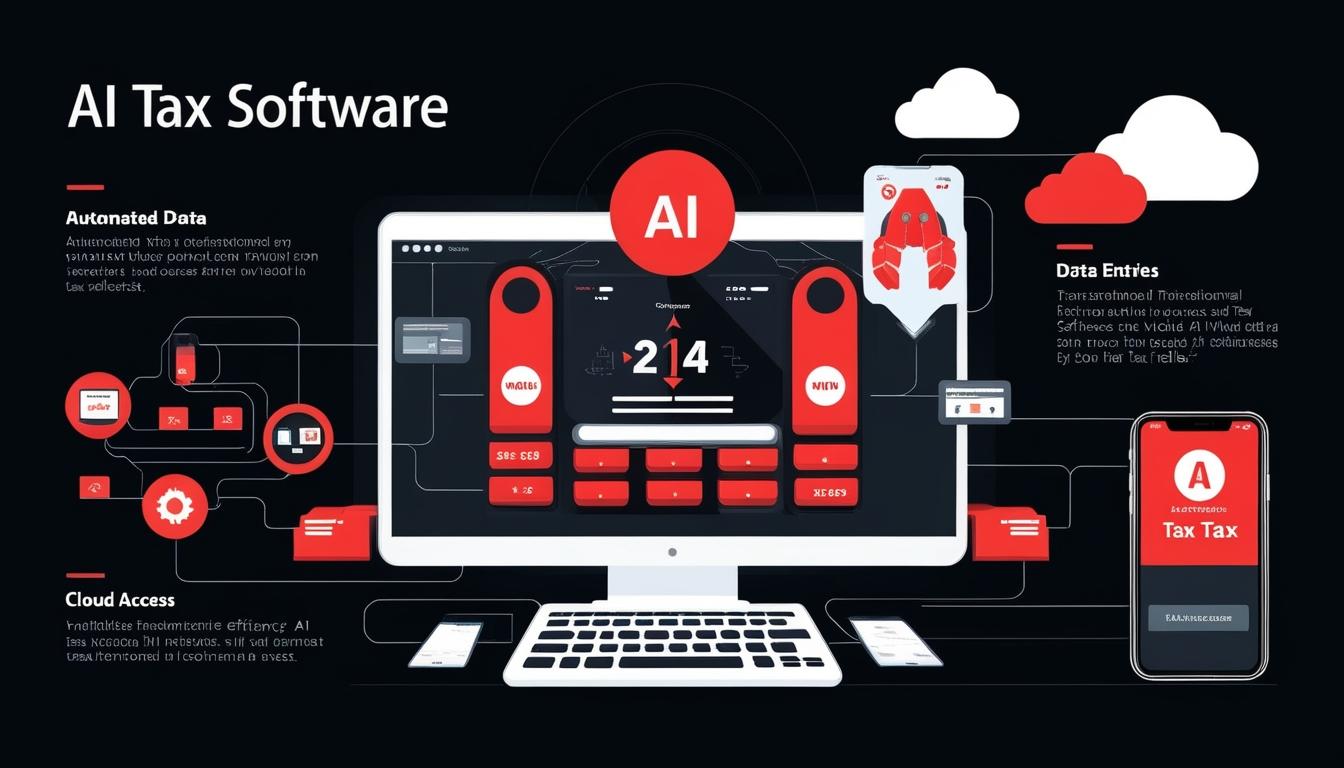

Advancements in technology, particularly AI and cloud-based solutions, are revolutionising tax relief processes, making them more efficient and personalised for both individuals and businesses.
Technology is increasingly transforming the landscape of tax relief, making processes more efficient and accessible for both individuals and businesses. The advancements in artificial intelligence (AI) and machine learning (ML), coupled with cloud-based accounting solutions and mobile applications, are streamlining tax preparation and management across various sectors.
AI and ML technologies are radically changing how the annual tax preparation process is approached. These innovations in software enable accountants and taxpayers to handle the complexities of tax compliance with greater accuracy. A significant aspect of these advancements is automation of data entry and analysis. AI-powered software can swiftly scan and interpret financial documents, eliminating much of the manual data entry that has traditionally consumed valuable time. This allows accountants in Phoenix to devote more attention to intricate aspects of their clients’ tax situations. The algorithms associated with machine learning are adept at identifying patterns and anomalies within financial data, flagging potential areas for both concern and tax-saving opportunities.
Further, personalised tax strategies are another benefit of this technology. AI systems are capable of analysing comprehensive data to offer tailored and optimal tax strategies based on individual financial profiles. These intelligent systems assess various factors, including income sources, deductions, and historical tax filings, ultimately guiding clients toward methods for minimising tax liabilities while ensuring adherence to the ever-evolving tax landscape.
The integration of cloud-based accounting solutions presents a significant opportunity for improving financial management practices in tax relief. These systems grant instantaneous access to financial data, allowing both accountants and business owners to make informed decisions in real time; a critical advantage during tax season when timely identification of potential deductions and credits is essential.

Moreover, cloud platforms enable enhanced collaboration, allowing various team members to work on financial records simultaneously. This promotes seamless cooperation between business owners and their accountants, ensuring that everyone is aligned with financial strategies and tax planning initiatives. Automated compliance features integrated into cloud accounting software contribute further to operational efficiency, keeping users updated on the latest tax laws and regulations and reducing the risk of errors.
Scalability and cost-effectiveness are additional benefits of cloud-based accounting solutions, particularly appealing to growing businesses in Phoenix that aim to expand their operations without incurring major infrastructural expenses.
The rise of mobile applications has added another layer of convenience for taxpayers, enabling financial management from anywhere. Tech-savvy accountants are now developing apps that allow clients to track expenses, upload relevant documents, and communicate with their tax professionals in real time. These user-friendly applications often feature intuitive interfaces that simplify the filing process through straightforward questionnaires, facilitating accurate income reporting and deduction claims.
Mobile tax applications also provide the advantage of real-time calculations and updates. As users enter their financial information, these apps can instantly update potential refunds or amounts owed, enabling users to make informed decisions regarding their tax situation. Some applications offer integration with local tax professionals in Phoenix, providing users with personalised advice tailored to their needs.
Secure document storage within mobile apps has become indispensable for many users. These features allow individuals to easily access and organise important tax documents, streamlining the process of maintaining accurate records year after year.
The increasing sophistication of tools available, from AI-powered tax software to blockchain-based systems, highlights a new age of technological innovation in tax relief. As advances in technology continue to emerge, businesses and individuals can enhance their financial strategies and leverage available opportunities to optimise their tax outcomes. Staying informed about these trending technologies provides a foundation upon which effective tax relief strategies can be built.
Source: Noah Wire Services
- https://www.uschamber.com/co/run/finance/ai-tax-season-tools – This article explains how AI can streamline tax preparation by categorizing transactions and identifying deductions, and how AI chatbots and virtual assistants can provide general business tax information and ensure compliance.
- https://www.netsuite.com/portal/products/erp/financial-management/finance-accounting.shtml – This page details how NetSuite cloud accounting software uses AI to automate manual processes, manage payables and receivables, and streamline tax management, providing real-time access to financial data and compliance with regulatory requirements.
- https://www.investopedia.com/ai-business-taxes-8621438 – This article discusses how AI can improve the accuracy and efficiency of business tax filing through data processing, categorization, and compliance with changing regulations, and highlights the benefits and limitations of AI in tax preparation.
- https://www.uschamber.com/co/run/finance/ai-tax-season-tools – This source supports the claim that AI can analyze historical financial data to provide personalized financial advice and automate tax preparation processes with improved accuracy and efficiency.
- https://www.netsuite.com/portal/products/erp/financial-management/finance-accounting.shtml – This page corroborates the integration of cloud-based accounting solutions for improving financial management practices, including real-time access to financial data and automated compliance features.
- https://www.investopedia.com/ai-business-taxes-8621438 – This article supports the idea that AI-powered software can handle data entry and analysis, identify patterns and anomalies, and provide tailored tax strategies based on individual financial profiles.
- https://www.uschamber.com/co/run/finance/ai-tax-season-tools – This source mentions AI chatbots and virtual assistants that can assist taxpayers with frequently asked questions and routine queries, shortening wait times and enabling 24/7 service.
- https://www.netsuite.com/portal/products/erp/financial-management/finance-accounting.shtml – This page highlights the scalability and cost-effectiveness of cloud-based accounting solutions, which are particularly beneficial for growing businesses looking to expand operations without major infrastructural expenses.
- https://www.investopedia.com/ai-business-taxes-8621438 – This article discusses the integration of AI with other financial systems like CRM, ERP, and ecommerce platforms to streamline data and improve tax compliance.
- https://www.uschamber.com/co/run/finance/ai-tax-season-tools – This source mentions that AI may automate tax preparation processes in the future, drawing from historical financial data to provide more personalized financial advice.
- https://www.netsuite.com/portal/products/erp/financial-management/finance-accounting.shtml – This page supports the claim that cloud platforms enable enhanced collaboration among team members working on financial records simultaneously, promoting seamless cooperation between business owners and their accountants.