

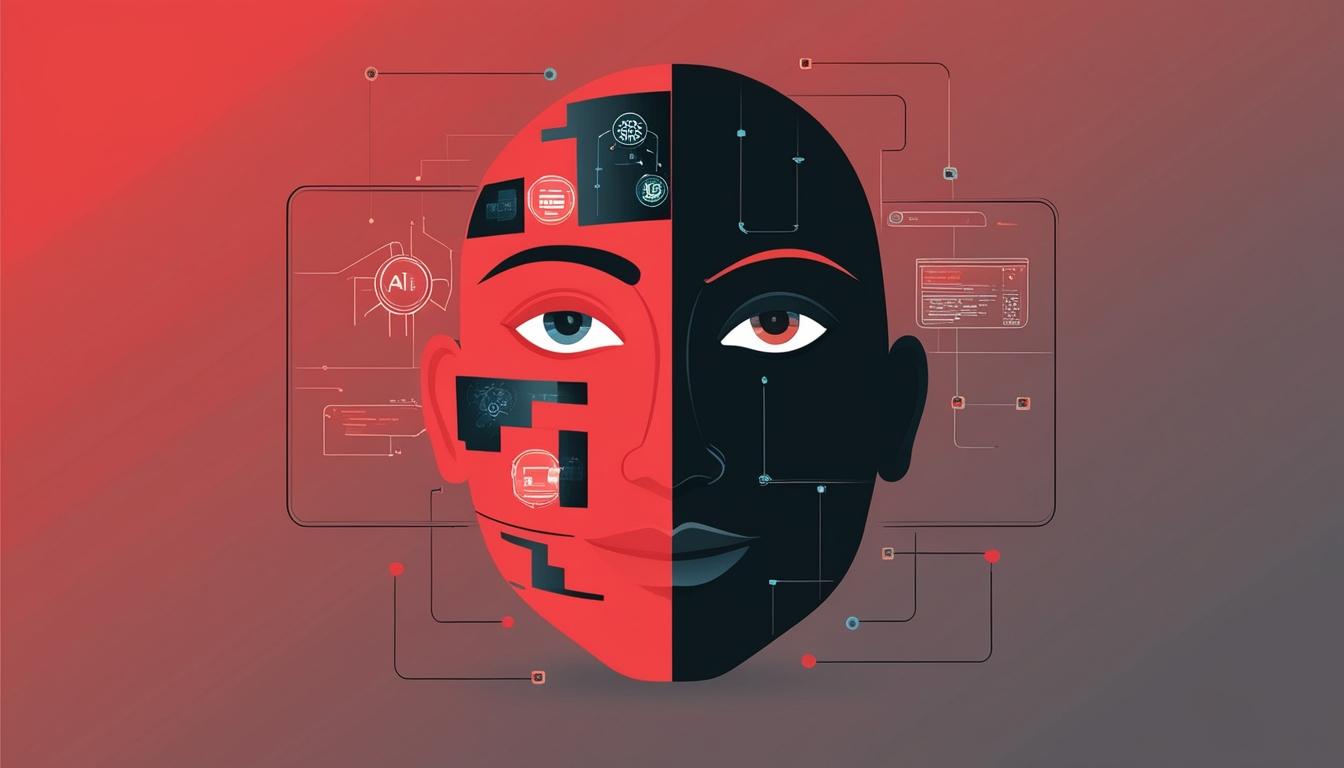

As AI systems increasingly influence our daily lives, concerns grow over their impact on privacy, equality, and safety, highlighting the urgent need for effective regulatory frameworks.
Artificial Intelligence (AI) has become an integral part of everyday life, influencing various aspects ranging from entertainment recommendations to employment decisions. While the convenience of these systems is evident, a darker side is gradually emerging, prompting questions about privacy, equality, autonomy, and safety. The term “algorithmic harms,” which describes the negative impacts stemming from AI decision-making processes, has gained traction as the consequences of these systems unfold beneath the surface.
AI algorithms are ubiquitous in modern society, being deployed in systems that suggest movies and TV shows, aid in hiring decisions, and even assist judges in determining sentencing options. Despite being perceived as neutral tools, these systems can inadvertently discriminate against certain groups, leading to real-world adverse outcomes.
The slow-building nature of algorithmic harms is particularly concerning. The negative impacts of these AI systems usually accumulate over time and are not immediately evident, causing significant long-term damage. For instance, social media algorithms monitor users’ interactions, compiling extensive profiles that can influence critical life decisions, such as job opportunities or personal safety assessments. This data-driven approach results in “intangible, cumulative harm,” leaving individuals vulnerable without their awareness.
One domain significantly affected by AI is mental health, especially among adolescents. Addiction to social media platforms—a consequence of their intentionally engaging and addictive designs—has contributed to rising rates of anxiety, depression, and other mental health issues. Such gradual deterioration is challenging for individuals to identify and remedy, leading to long-term challenges.
Despite the growing recognition of these dangers, regulatory frameworks worldwide are struggling to keep pace with advancements in AI technology. In the United States, a significant focus on fostering innovation complicates the establishment of stringent guidelines governing AI usage across various fields. Current regulations are predominantly designed to address concrete damages, such as physical injuries or financial losses, while the subtler, cumulative effects of AI algorithms remain largely overlooked.
To comprehensively understand the various facets of algorithmic harm, they can be categorised into four distinct areas: privacy, autonomy, equality, and safety.
Firstly, privacy erosion arises from the vast quantities of data that AI systems collect and process, often without users’ explicit consent. For example, facial recognition technologies can lead to pervasive surveillance, raising concerns about individuals’ rights to privacy in both public and private spaces.
Secondly, the autonomy of individuals is frequently compromised as AI systems manipulate the information presented to users. Algorithms on social media platforms, designed to maximise engagement for commercial gain, subtly influence opinions and choices, thereby undermining personal decision-making capabilities.
Thirdly, the technology often perpetuates or even exacerbates existing inequalities due to biases ingrained in the data used. An infamous incident involving a retail shoplifting detection system showcased how facial recognition technology disproportionately misidentified women and people of colour, further contributing to societal inequalities.
Lastly, safety is jeopardised as AI systems make critical decisions affecting well-being. Failures in these systems can lead to severe consequences, and even well-functioning systems may unintentionally harm users, particularly vulnerable demographics.
A notable challenge derives from the opacity surrounding algorithmic processes, which are often shielded by trade secret protections. Such lack of transparency hampers accountability, making it difficult to trace biases or erroneous outcomes back to their source. Consequently, individuals affected by algorithmic decisions—like unjust hiring practices or wrongful accusations—may find themselves without recourse or means to identify the underlying causes.
To address these pressing issues, experts advocate for proactive legal reforms aimed at bridging the accountability gap. Potential measures include mandatory algorithmic impact assessments that require companies to evaluate the repercussions of AI applications on key societal dimensions—privacy, autonomy, equality, and safety—before they are implemented. These assessments could help identify and mitigate risks associated with using facial recognition technology or other AI applications throughout their operational lifespan.
Strengthening individual rights concerning AI usage is another proposed reform. This could manifest as options for individuals to opt out of detrimental practices and to establish “opt-in” requirements for certain data processing activities. Transparency obligations requiring companies to disclose their AI technologies and associated risks, particularly regarding surveillance applications, could significantly enhance user awareness and autonomy.
As AI technologies increasingly permeate pivotal sectors, the imperative for robust regulatory frameworks becomes increasingly crucial. The potential for continued invisible harms necessitates an urgent reassessment of how AI is governed, particularly as generative AI technologies become more prevalent. Policymakers, legal authorities, technologists, and civil society must acknowledge the legal implications of AI and seek greater accountability and transparency measures.
Looking ahead, while AI presents opportunities for remarkable advancements, inadequate oversight could entrench societal disparities and undermine civil rights. A proactive legal approach is essential to harness the benefits of AI while safeguarding against its potential for harm.
Source: Noah Wire Services
- https://www.holisticai.com/blog/exploration-of-ai-harms – Discusses various examples of AI harms, including Amazon’s biased resume screening tool, Northpointe’s COMPAS tool, and Knight Capital’s trading algorithm failure, highlighting issues of bias, discrimination, and financial risks.
- https://www.holisticai.com/blog/algorithmic-harms-on-social-media – Explores the harms caused by social media algorithms, including the amplification of disinformation, reinforcement of stereotypes, and the impact on mental health, as well as regulatory efforts to mitigate these issues.
- https://www.theregreview.org/2021/11/11/adams-algorithmic-decisions-human-consequences/ – Analyzes the human consequences of algorithmic decisions, including systemic biases, proxy discrimination, and the impact on consumer protection and competition, with a focus on the FTC’s role in addressing these issues.
- https://alan-turing-institute.github.io/turing-commons/skills-tracks/aeg/chapter2/harms/ – Categorizes AI harms into several areas, including loss of autonomy, bias and discrimination, widening global and digital divides, and biospheric harm, providing a comprehensive overview of the ethical concerns surrounding AI.
- https://builtin.com/artificial-intelligence/risks-of-artificial-intelligence – Lists various risks and dangers of AI, including automation-spurred job loss, deepfakes, privacy violations, algorithmic bias, socioeconomic inequality, and market volatility, highlighting the broader societal impacts of AI.
- https://www.holisticai.com/blog/exploration-of-ai-harms – Details the lack of transparency in algorithmic processes and the need for oversight mechanisms to prevent financially and reputationally expensive mistakes, such as the case of Knight Capital’s trading algorithm.
- https://www.theregreview.org/2021/11/11/adams-algorithmic-decisions-human-consequences/ – Discusses the issue of surveillance capitalism and the commodification of consumer attention and data, highlighting the risks to children and the need for legal liability for companies using such practices.
- https://alan-turing-institute.github.io/turing-commons/skills-tracks/aeg/chapter2/harms/ – Explains how AI systems can perpetuate biases and injustices due to the data they are trained on, using examples from healthcare and hiring practices to illustrate these points.
- https://www.holisticai.com/blog/algorithmic-harms-on-social-media – Describes the impact of social media algorithms on mental health, particularly among adolescents, and the challenges in addressing these issues due to the cumulative and often invisible nature of the harm.
- https://builtin.com/artificial-intelligence/risks-of-artificial-intelligence – Highlights the concerns around facial recognition technology and predictive policing algorithms, which can lead to pervasive surveillance and over-policing in certain communities.
- https://www.theregreview.org/2021/11/11/adams-algorithmic-decisions-human-consequences/ – Proposes regulatory measures such as algorithmic impact assessments and transparency obligations to address the accountability gap in AI decision-making processes.